How to Choose the Right Turntable for Vinyl Enthusiasts
A comprehensive guide on selecting the perfect turntable. Explore features, types, and brands for an authentic vinyl listening experience.
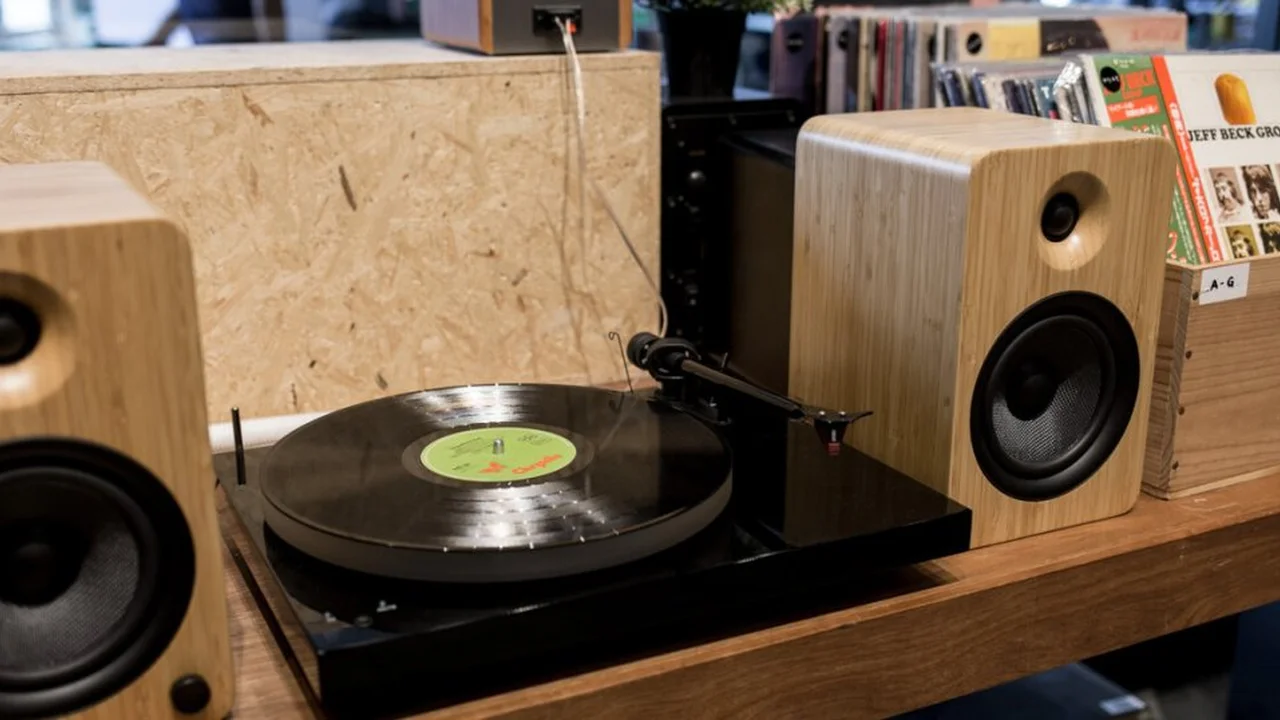
A comprehensive guide on selecting the perfect turntable. Explore features, types, and brands for an authentic vinyl listening experience.
How to Choose the Right Turntable for Vinyl Enthusiasts
Hey there, fellow music lovers! So, you've caught the vinyl bug, huh? Welcome to the club! There's something truly magical about dropping a needle onto a spinning record and hearing that warm, rich sound. But if you're new to the world of turntables, it can feel a bit overwhelming. With so many options out there, from budget-friendly starters to high-end audiophile dreams, how do you pick the right one? Don't sweat it! This guide is here to walk you through everything you need to know to choose the perfect turntable for your vinyl journey.
Understanding Turntable Basics Types of Turntables
Before we dive into specific models, let's get a handle on the fundamental types of turntables you'll encounter. Knowing these basics will help you narrow down your choices significantly.
Belt Drive Turntables for Smooth Playback
Most audiophiles and serious listeners prefer belt-drive turntables. Why? Because the motor is isolated from the platter by a rubber belt. This design minimizes motor vibrations from reaching the platter and, consequently, the stylus. The result is a cleaner, more accurate sound with less noise interference. They're generally quieter and offer better sound fidelity, but they might take a few seconds longer to reach full speed, and the belt can wear out over time (though replacement is easy and inexpensive).
Direct Drive Turntables for DJs and Durability
Direct-drive turntables, on the other hand, have the platter directly mounted on the motor's spindle. This means instant start-up and consistent speed, which is why they're the go-to choice for DJs who need to scratch and mix. While they offer excellent torque and speed stability, the direct connection can sometimes transmit more motor noise to the platter. However, modern direct-drive turntables have significantly improved in isolating these vibrations, making them a viable option for home listening too, especially if you value quick start-up and minimal maintenance.
Manual vs Automatic Turntables Convenience and Control
This is another big decision point. Manual turntables require you to physically lift the tonearm, place the stylus on the record, and lift it off when the side is done. It's a hands-on experience that many purists love, as it removes any potential mechanisms that could interfere with sound quality. Automatic turntables, conversely, do all that for you with the push of a button. Some even return the tonearm to its rest and shut off automatically. Semi-automatic models might lift the tonearm and shut off at the end of a record but require you to place the needle manually. Automatic features add convenience but can sometimes introduce more moving parts and potential points of resonance, though for casual listening, the difference is often negligible.
Key Components of a Turntable What to Look For
Now that you know the types, let's break down the essential parts of a turntable and what features to prioritize.
The Platter and Platter Material for Stability
The platter is the circular platform where your record sits. Heavier, more substantial platters (often made of aluminum, acrylic, or even glass) tend to offer better speed stability and reduce vibrations. Lighter, cheaper plastic platters can be more susceptible to speed fluctuations and external vibrations, impacting sound quality.
The Tonearm and Cartridge The Heart of the Sound
This is arguably the most critical part for sound quality. The tonearm holds the cartridge, which houses the stylus (needle). A good tonearm should be well-balanced, rigid, and have minimal friction in its bearings. It needs to track the grooves of the record accurately without adding its own resonance. The cartridge converts the physical vibrations of the stylus into an electrical signal. There are two main types:
- Moving Magnet (MM) Cartridges: These are the most common and affordable. They produce a higher output signal, meaning they require less amplification and are compatible with most built-in phono preamps. They're great for general listening and offer a good balance of detail and warmth.
- Moving Coil (MC) Cartridges: These are typically found in higher-end turntables. They have a lower output signal, requiring a dedicated phono preamp with MC compatibility, which often means a higher investment. However, they are renowned for their superior detail, wider frequency response, and more nuanced soundstage.
Many entry-level turntables come with a pre-installed cartridge, which is fine to start. But upgrading your cartridge is one of the most impactful ways to improve your turntable's sound down the line.
Phono Preamp Built-in vs External Options
A phono preamp (also called a phono stage) boosts the tiny signal from the cartridge to a level that your amplifier can handle, and it also applies RIAA equalization, which is crucial for accurate sound reproduction. Many modern turntables have a built-in phono preamp, making them plug-and-play with any amplifier or powered speakers. This is super convenient for beginners. However, external phono preamps often offer better sound quality and more flexibility, especially if you plan to upgrade your cartridge to an MC type. If your amplifier has a dedicated 'Phono' input, it likely has a built-in phono preamp, and you'd want a turntable without one, or one with a switchable preamp.
Connectivity Options USB and Bluetooth Turntables
Beyond the traditional RCA outputs, many turntables now offer modern connectivity:
- USB Output: This allows you to connect your turntable directly to a computer to digitize your vinyl collection. Great for archiving rare records or listening on the go.
- Bluetooth: Some turntables can wirelessly stream audio to Bluetooth speakers or headphones. This adds convenience but can sometimes compromise sound quality compared to a wired connection, depending on the Bluetooth codec used.
Budget Considerations How Much to Spend on a Turntable
Your budget will heavily influence your choices. Here's a general breakdown:
Entry-Level Turntables Under 300 Dollars
In this range, you'll find excellent starter turntables that offer good sound and convenience. They often come with built-in phono preamps and sometimes USB or Bluetooth. They're perfect for casual listening and getting your feet wet in the vinyl world. Expect mostly belt-drive models with decent pre-installed MM cartridges.
Mid-Range Turntables 300 to 800 Dollars
Stepping up here brings noticeable improvements in build quality, tonearm precision, and cartridge options. You'll find heavier platters, better isolation from vibrations, and often the ability to easily upgrade components like the cartridge. This is where you start getting into serious audiophile territory without breaking the bank.
High-End Turntables 800 Dollars and Up
At this level, you're looking at premium materials, advanced engineering, and meticulous attention to detail. These turntables offer exceptional sound quality, often with sophisticated tonearms, high-quality MC cartridges, and superior vibration damping. They're for dedicated audiophiles who prioritize the absolute best sound reproduction.
Recommended Turntables for Different Scenarios
Alright, let's get to some specific recommendations based on common use cases and budgets. Remember, prices are approximate and can vary.
Best Turntables for Beginners and Casual Listening
Audio-Technica AT-LP60XBT
- Price: Around $200 USD
- Type: Fully automatic, belt-drive
- Features: Built-in switchable phono preamp, Bluetooth connectivity, USB output (on AT-LP60XUSB model)
- Why we like it: This is an absolute workhorse for beginners. It's incredibly easy to set up and use, thanks to its fully automatic operation. The built-in phono preamp means you can plug it directly into any powered speakers or an amplifier without a dedicated phono input. The Bluetooth option is fantastic for wireless listening. While the sound quality is good for its price, it's not designed for extensive upgrades, but it's a perfect entry point.
- Use Case: First-time vinyl buyers, students, those wanting a simple plug-and-play solution, or anyone who wants to stream their vinyl wirelessly.
Fluance RT81
- Price: Around $250 USD
- Type: Manual, belt-drive
- Features: Built-in switchable phono preamp, Audio-Technica AT95E cartridge, solid MDF plinth
- Why we like it: The Fluance RT81 offers a significant step up in build quality and sound for a very reasonable price. It features a heavier MDF plinth (the base) which helps reduce vibrations, and a high-quality Audio-Technica AT95E cartridge that delivers excellent detail. It's manual, so you get that hands-on vinyl experience. The switchable phono preamp gives you flexibility.
- Use Case: Beginners who want better sound quality than the absolute entry-level, those who appreciate a more traditional manual operation, and anyone looking for a solid foundation for future upgrades.
Mid-Range Turntables for Enthusiasts and Upgraders
Pro-Ject Debut Carbon EVO
- Price: Around $600 USD
- Type: Manual, belt-drive
- Features: Carbon fiber tonearm, Ortofon 2M Red cartridge, TPE-damped motor, heavy steel platter
- Why we like it: The Debut Carbon EVO is a perennial favorite for a reason. It boasts a carbon fiber tonearm, which is incredibly rigid and lightweight, leading to precise tracking. The included Ortofon 2M Red cartridge is a fantastic performer, offering detailed and dynamic sound. Its heavy steel platter and TPE (thermoplastic elastomer) damped motor provide excellent speed stability and vibration isolation. This turntable is designed for serious listening and offers a clear upgrade path for cartridges.
- Use Case: Audiophiles on a budget, those looking for a significant sound upgrade, and users who enjoy tweaking and upgrading components.
Rega Planar 1
- Price: Around $595 USD
- Type: Manual, belt-drive
- Features: RB110 tonearm, Rega Carbon cartridge, phenolic resin platter, 24V motor
- Why we like it: Rega is a legendary name in turntables, and the Planar 1 is their entry-level masterpiece. It's designed for simplicity and performance. The RB110 tonearm is a marvel of engineering at this price point, offering incredibly low friction. The phenolic resin platter and 24V motor contribute to excellent speed stability. It's a 'set it and forget it' turntable that delivers a wonderfully musical sound right out of the box.
- Use Case: Those who prioritize pure analog sound quality, appreciate minimalist design, and want a turntable that's easy to set up and enjoy for years.
High-End Turntables for Audiophiles and Collectors
Technics SL-1200GR
- Price: Around $1,700 USD (without cartridge)
- Type: Manual, direct-drive
- Features: Coreless direct-drive motor, high-precision tonearm, heavy aluminum platter, robust build quality
- Why we like it: The Technics SL-1200 series is iconic, and the GR model brings that legendary performance to a wider audience. While often associated with DJs, its precision engineering, incredible speed stability, and robust build make it an outstanding choice for home listening. The coreless direct-drive motor eliminates cogging (micro-vibrations), and the high-precision tonearm allows for excellent cartridge matching. It's built like a tank and designed to last a lifetime.
- Use Case: Serious audiophiles, those with extensive vinyl collections, users who demand absolute speed accuracy and durability, and anyone who appreciates classic design with modern performance.
MoFi StudioDeck Foundation
- Price: Around $1,200 USD (without cartridge)
- Type: Manual, belt-drive
- Features: Custom-designed tonearm, Delrin platter, isolated motor, designed by Mobile Fidelity Sound Lab
- Why we like it: Mobile Fidelity Sound Lab (MoFi) is renowned for its audiophile record pressings, and they've brought that expertise to turntables. The StudioDeck is a fantastic performer, offering a rich, detailed, and dynamic sound. It features a custom-designed tonearm and a heavy Delrin platter, which is excellent for damping vibrations. The motor is completely isolated, ensuring a very quiet background. It's a turntable that truly lets your records sing.
- Use Case: Audiophiles seeking a highly musical and engaging listening experience, those who appreciate meticulous engineering, and users looking for a turntable that excels at revealing the nuances in their vinyl.
Setting Up Your Turntable and Beyond
Getting your turntable set up correctly is crucial for optimal sound and to protect your records. Here are a few tips:
Placement and Isolation
Place your turntable on a stable, level surface, away from speakers. Vibrations from speakers can feed back into the turntable, causing unwanted resonance and even skipping. Consider an isolation platform or wall shelf for even better performance, especially if you have bouncy floors.
Stylus Pressure and Anti-Skate
These are critical adjustments. The stylus pressure (tracking force) ensures the needle sits correctly in the groove, while anti-skate prevents the tonearm from being pulled towards the center of the record. Most turntables come with instructions and a gauge for these settings. Incorrect settings can lead to poor sound, excessive record wear, and premature stylus wear.
Cleaning Your Records and Stylus
Dust is the enemy of vinyl! Invest in a good record brush and a stylus cleaning solution. Clean your records before each play to remove dust and static. A clean stylus will track better and sound better.
Amplifier and Speakers Matching Your System
A great turntable needs a good amplifier and speakers to truly shine. Ensure your amplifier has a suitable input (either a dedicated 'Phono' input or an auxiliary input if your turntable has a built-in preamp). Match your speakers to your room size and listening preferences. Don't skimp on these components; they're just as important as the turntable itself.
Final Thoughts on Your Vinyl Journey
Choosing a turntable is a personal journey, and there's no single 'best' option for everyone. Consider your budget, your listening habits, and how much you enjoy the hands-on aspect of vinyl. Start with something that fits your needs now, and remember that you can always upgrade components like the cartridge or even the entire turntable as your passion for vinyl grows. The most important thing is to enjoy the music and the unique experience that only vinyl can offer. Happy listening!
:max_bytes(150000):strip_icc()/277019-baked-pork-chops-with-cream-of-mushroom-soup-DDMFS-beauty-4x3-BG-7505-5762b731cf30447d9cbbbbbf387beafa.jpg)