Best Sleep Trackers for Improved Rest and Recovery
Optimize your sleep with the best sleep trackers. Monitor sleep stages, identify patterns, and improve your overall rest quality.
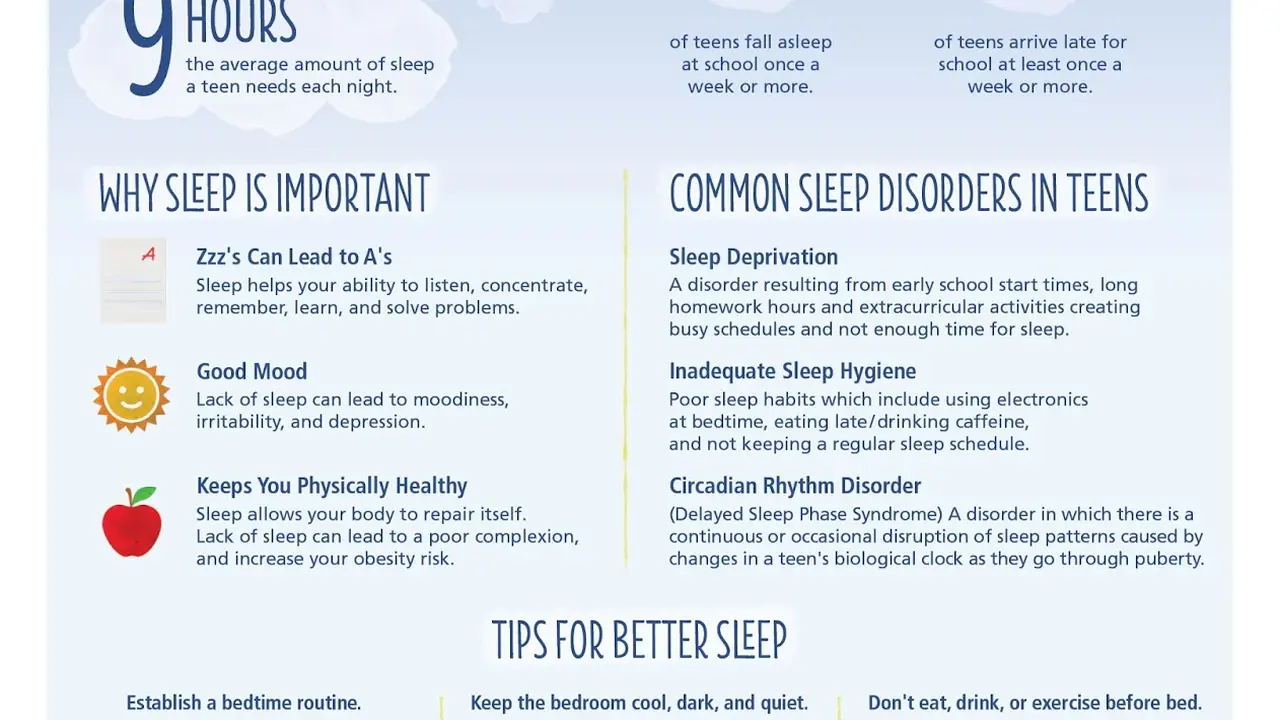
Optimize your sleep with the best sleep trackers. Monitor sleep stages, identify patterns, and improve your overall rest quality.
Best Sleep Trackers for Improved Rest and Recovery
Hey there, sleep seekers! Are you tired of feeling tired? Do you wake up feeling like you haven't slept a wink, even after spending hours in bed? You're not alone. In our fast-paced world, quality sleep often takes a backseat, but it's absolutely crucial for our physical and mental well-being. That's where sleep trackers come in. These clever gadgets can give you a deep dive into your nightly slumber, helping you understand your sleep patterns, identify potential issues, and ultimately, guide you towards better rest and recovery. Think of them as your personal sleep coach, silently observing and reporting back so you can make informed changes to your sleep hygiene.
But with so many options out there, how do you pick the right one? Don't sweat it! We're here to break down the best sleep trackers on the market, looking at what makes them tick, who they're best for, and what kind of insights they can offer. We'll cover everything from discreet rings to advanced under-mattress sensors, comparing their features, accuracy, and even their price tags. So, let's get ready to unlock the secrets of your sleep and start waking up feeling refreshed and ready to conquer the day!
Understanding Sleep Tracking Technology and Metrics
Before we dive into specific products, let's get a grip on what sleep trackers actually do. Most modern sleep trackers use a combination of sensors to gather data about your body during sleep. This typically includes accelerometers to detect movement, heart rate sensors to monitor your pulse, and sometimes even temperature sensors. Some advanced devices might also incorporate blood oxygen (SpO2) sensors or even electrodermal activity (EDA) sensors to measure stress levels.
The data collected is then processed by algorithms to estimate various sleep metrics. Here are some key terms you'll encounter:
- Sleep Stages: This is perhaps the most fascinating aspect. Sleep isn't just 'on' or 'off.' It's a complex cycle of different stages: Light Sleep, Deep Sleep (also known as Slow-Wave Sleep), and REM (Rapid Eye Movement) Sleep. Each stage plays a vital role in your physical and mental restoration. Trackers estimate how much time you spend in each stage.
- Total Sleep Duration: Pretty straightforward – how long you were actually asleep.
- Sleep Onset Latency: How long it takes you to fall asleep after getting into bed.
- Wake-Up Times and Disturbances: How many times you woke up during the night and for how long.
- Heart Rate Variability (HRV): A measure of the variation in time between your heartbeats. A higher HRV generally indicates better recovery and adaptability.
- Resting Heart Rate (RHR): Your heart rate while at rest. A lower RHR often correlates with better cardiovascular fitness and recovery.
- Respiratory Rate: The number of breaths you take per minute. Changes can indicate potential health issues.
- Blood Oxygen Saturation (SpO2): The percentage of oxygen in your blood. Low SpO2 levels during sleep can be a sign of sleep apnea.
- Sleep Score: Many trackers provide an overall 'sleep score' that summarizes your night's rest based on various metrics. This can be a quick way to gauge your sleep quality.
It's important to remember that while consumer sleep trackers are incredibly useful, they are not medical devices. Their data should be used for personal insights and trends, not for diagnosing medical conditions. If you suspect a serious sleep disorder, always consult a healthcare professional.
Top Sleep Trackers for Comprehensive Insights and Recovery
Alright, let's get to the good stuff! Here are some of the best sleep trackers available today, each with its unique strengths and ideal user:
1. Oura Ring Gen3 The Discreet and Data-Rich Wearable
The Oura Ring has revolutionized sleep tracking by packing advanced sensors into a sleek, comfortable ring. It's probably the most discreet sleep tracker out there, making it perfect for those who don't like wearing a watch to bed. The Gen3 model is packed with features, offering incredibly detailed insights into your sleep, activity, and overall readiness.
Key Features and Benefits:
- Advanced Sleep Staging: The Oura Ring is renowned for its accuracy in distinguishing between light, deep, and REM sleep, thanks to its infrared LED sensors.
- Readiness Score: This unique metric combines your sleep, activity, and body temperature data to give you an overall score indicating how ready you are for the day's challenges. It's fantastic for optimizing your workouts and preventing overtraining.
- Temperature Tracking: It tracks your body temperature changes, which can be useful for illness detection, understanding menstrual cycles, and even predicting ovulation.
- Resting Heart Rate and HRV: Provides precise measurements of these crucial recovery metrics.
- SpO2 Tracking: Monitors blood oxygen levels during sleep, offering insights into potential breathing disturbances.
- Guided Meditations and Sleep Sounds: The app offers a library of content to help you relax and fall asleep.
- Comfort and Design: It's lightweight, waterproof, and comes in various finishes, blending seamlessly into your daily life.
Ideal User:
Anyone looking for a highly accurate, discreet, and comprehensive sleep and recovery tracker. Athletes, biohackers, and individuals serious about optimizing their health will find immense value here. It's also great for those who find wrist-worn devices uncomfortable during sleep.
Price:
Starts around $299 USD, plus a monthly membership fee (currently $5.99/month) for full access to all features and historical data. While the membership is an added cost, many users find the depth of insights worth it.
User Experience:
The Oura app is beautifully designed and intuitive, presenting complex data in an easy-to-understand format. The daily readiness score is a standout feature, providing actionable advice. Charging is simple with its custom dock, and battery life typically lasts 4-7 days.
2. Whoop 4.0 The Athlete's Recovery Companion
Whoop takes a slightly different approach, focusing heavily on recovery and strain. It's a screenless wristband that continuously monitors your physiological data 24/7. While it tracks activity, its core strength lies in its detailed sleep and recovery analytics, making it a favorite among professional athletes and serious fitness enthusiasts.
Key Features and Benefits:
- Strain, Recovery, and Sleep Scores: Whoop provides three core metrics: Strain (how much stress you put on your body), Recovery (how well your body has recovered), and Sleep (the quality and quantity of your sleep).
- Sleep Coaching: Based on your recovery and strain, Whoop will recommend an optimal sleep duration and bedtime to maximize your recovery.
- Detailed Sleep Stages: Offers accurate tracking of light, deep, and REM sleep.
- Heart Rate Variability (HRV) and Resting Heart Rate (RHR): These are central to Whoop's recovery algorithm, providing deep insights into your autonomic nervous system.
- Skin Temperature and SpO2: Monitors these vital signs for additional health insights and potential illness detection.
- Journal Feature: Allows you to log behaviors (e.g., caffeine intake, alcohol, stress) and see how they impact your sleep and recovery over time.
- No Screen Distractions: The lack of a screen means no notifications or distractions, keeping the focus purely on data collection.
Ideal User:
Serious athletes, fitness enthusiasts, and anyone deeply committed to optimizing their recovery and performance. If you're looking for actionable insights to guide your training and lifestyle choices, Whoop is a powerful tool. It's less about general wellness and more about performance optimization.
Price:
Whoop operates on a subscription model, starting around $30/month (with discounts for longer commitments). The hardware is included with the subscription. This can be a higher upfront cost but provides continuous access to their evolving platform and analytics.
User Experience:
The Whoop app is incredibly data-rich, offering graphs and trends that can be overwhelming at first but become invaluable with time. The sleep coach is a standout, providing personalized recommendations. The battery pack allows for on-the-go charging without removing the band, which is a nice touch.
3. Fitbit Sense 2 The All-Round Health and Wellness Smartwatch
While primarily a smartwatch, the Fitbit Sense 2 excels in health tracking, with a strong emphasis on sleep. It combines comprehensive sleep analysis with stress management tools and general fitness tracking, making it a great all-in-one device for holistic wellness.
Key Features and Benefits:
- Detailed Sleep Stages and Score: Provides a breakdown of your sleep stages and a daily sleep score, along with personalized insights and tips.
- EDA Sensor for Stress Management: The Electrodermal Activity (EDA) sensor can detect electrodermal responses, which are indicators of your body's stress levels. This helps you understand how stress impacts your sleep.
- Skin Temperature Sensor: Tracks nightly skin temperature variations, which can be an early indicator of illness or changes in your menstrual cycle.
- Heart Rate Tracking and HRV: Continuous heart rate monitoring and HRV data contribute to its overall health and sleep analysis.
- SpO2 Monitoring: Tracks blood oxygen saturation during sleep.
- Smart Wake Alarm: Wakes you during an optimal sleep stage within a 30-minute window, helping you feel more refreshed.
- Guided Meditations and Mindfulness: Integrates with the Fitbit app's extensive library of mindfulness sessions.
- Smartwatch Functionality: Beyond sleep, it offers GPS, notifications, contactless payments, and activity tracking.
Ideal User:
Individuals looking for a comprehensive health and fitness tracker that also provides excellent sleep insights. If you want a device that helps you manage stress, track activity, and understand your sleep all in one, the Fitbit Sense 2 is a fantastic choice. It's also great for those who prefer a traditional smartwatch form factor.
Price:
Typically retails around $299 USD. A Fitbit Premium subscription (around $9.99/month) unlocks deeper insights, personalized guidance, and advanced health reports, though basic sleep tracking is available without it.
User Experience:
The Fitbit app is user-friendly and presents data clearly. The Sense 2 is comfortable to wear day and night, and its battery life typically lasts 6+ days, which is impressive for a full-featured smartwatch. The stress management features are a unique differentiator.
4. Google Pixel Watch 2 The Seamless Android Integration
The Google Pixel Watch 2, with its deep integration with Fitbit's health tracking platform, offers a compelling option for Android users seeking a stylish smartwatch with robust sleep tracking capabilities. It leverages Fitbit's proven algorithms for sleep analysis while providing a premium Wear OS experience.
Key Features and Benefits:
- Powered by Fitbit Sleep Tracking: Benefits from Fitbit's accurate sleep stage detection, sleep score, and personalized insights.
- Detailed Sleep Profile: With Fitbit Premium, you get a monthly sleep profile that categorizes your sleep patterns and offers tailored advice.
- Heart Rate Tracking and HRV: Utilizes an advanced multi-path heart rate sensor for accurate readings, contributing to sleep and recovery metrics.
- Skin Temperature Sensor: Tracks nightly skin temperature variations, similar to the Fitbit Sense 2.
- cEDA Sensor for Stress Management: Continuously monitors electrodermal activity to help identify stress responses and their impact on sleep.
- SpO2 Monitoring: Tracks blood oxygen levels during sleep.
- Seamless Android Integration: As a Wear OS device, it offers excellent integration with Android phones, Google Assistant, and a wide range of apps.
- Stylish Design: Features a sleek, minimalist design that looks great on the wrist.
Ideal User:
Android users who want a premium smartwatch experience combined with excellent sleep and health tracking. If you're already in the Google ecosystem and value a cohesive user experience, the Pixel Watch 2 is a strong contender. It's also great for those who appreciate a balance of style and substance.
Price:
Starts around $349 USD. Includes 6 months of Fitbit Premium, after which a subscription (around $9.99/month) is required for full access to advanced sleep insights and historical data.
User Experience:
The Pixel Watch 2 offers a smooth and responsive Wear OS experience. The Fitbit app integration is seamless, providing familiar and detailed sleep data. Battery life is improved over the first generation, typically lasting over 24 hours with always-on display, but still requires daily charging for consistent sleep tracking.
5. Apple Watch Series 9 The iOS Ecosystem Champion
For iPhone users, the Apple Watch Series 9 is the undisputed king of smartwatches, and its sleep tracking capabilities have significantly improved over the years. While not as hyper-focused on sleep as Oura or Whoop, it provides solid sleep stage analysis within the familiar Apple Health ecosystem, alongside a wealth of other health and fitness features.
Key Features and Benefits:
- Native Sleep Tracking: Tracks sleep stages (REM, Core, Deep) and provides a sleep duration goal.
- Wrist Temperature Sensing: Monitors nightly wrist temperature, which can be used for cycle tracking and general health insights.
- Blood Oxygen Sensor: Allows for on-demand and background blood oxygen measurements.
- ECG App: Can take an electrocardiogram to check for signs of atrial fibrillation.
- Heart Rate Tracking: Continuous heart rate monitoring throughout the night.
- Crash Detection and Fall Detection: Important safety features that can automatically call emergency services.
- Extensive Smartwatch Features: Unparalleled app ecosystem, communication tools, fitness tracking, and seamless integration with other Apple devices.
Ideal User:
iPhone users who want a powerful, versatile smartwatch that also offers reliable sleep tracking. If you're already invested in the Apple ecosystem and value convenience, a vast app selection, and comprehensive health monitoring, the Apple Watch Series 9 is an excellent choice. It's perfect for those who want one device to do it all.
Price:
Starts around $399 USD. No additional subscription is required for basic sleep tracking, though some third-party sleep apps might offer premium features for a fee.
User Experience:
The Apple Watch is incredibly user-friendly, and its integration with the Health app provides a centralized hub for all your health data. Sleep data is presented clearly, and the watch is comfortable enough for most to wear to bed. Battery life is typically 18 hours, meaning you'll likely need to charge it daily, often before bed or in the morning.
6. Withings Sleep Analyzer The Under-Mattress Solution
If you absolutely hate wearing anything to bed, the Withings Sleep Analyzer is your dream come true. This discreet mat slips under your mattress and tracks your sleep without any physical contact. It's a fantastic option for couples, as it can track the sleep of one person on their side of the bed.
Key Features and Benefits:
- Contactless Tracking: No need to wear a device. Simply place it under your mattress.
- Advanced Sleep Cycle Analysis: Tracks sleep stages (light, deep, REM) with impressive accuracy.
- Heart Rate Tracking: Monitors your heart rate throughout the night.
- Snoring Detection: Identifies and records snoring episodes, providing insights into potential breathing issues.
- Sleep Apnea Detection: Can detect signs of sleep apnea, though it's not a medical diagnostic device. It measures breathing disturbances and can alert you to potential risks.
- Sleep Score and Coaching: Provides a daily sleep score and personalized advice to improve your sleep hygiene.
- Integration with Withings Health Ecosystem: Works seamlessly with other Withings health devices like smart scales and blood pressure monitors.
Ideal User:
Anyone who dislikes wearing devices to bed but still wants detailed sleep insights. It's particularly good for those concerned about snoring or potential sleep apnea, or for couples where one person wants to track their sleep without disturbing the other.
Price:
Typically retails around $129 USD. No ongoing subscription required for full features.
User Experience:
Setup is straightforward, and once installed, it's completely passive. The Withings Health Mate app is well-designed and presents sleep data clearly, including a timeline of your night. The ability to detect snoring and potential sleep apnea is a significant advantage for many users.
Comparing the Best Sleep Trackers Key Considerations
Now that we've looked at some of the top contenders, let's break down how to choose the right one for you. It really comes down to your personal preferences, priorities, and budget.
Accuracy and Data Reliability for Sleep Stages
When it comes to accuracy, dedicated sleep trackers like the Oura Ring and Whoop often have an edge due to their focus and sensor placement. They tend to provide more granular and consistent data on sleep stages. Smartwatches like Fitbit Sense 2, Pixel Watch 2, and Apple Watch Series 9 have significantly improved their sleep tracking algorithms and are generally reliable for most users. The Withings Sleep Analyzer also performs well, especially for contactless tracking.
Consider: If hyper-accurate sleep stage detection and recovery metrics are your top priority, Oura or Whoop might be better. For general insights, smartwatches are usually sufficient.
Comfort and Form Factor Wearable vs Non-Wearable
This is a huge factor for many people. Do you mind wearing something to bed?
- Ring (Oura): Incredibly discreet and comfortable for most, often forgotten once on.
- Wristband (Whoop): Screenless, lightweight, and designed for 24/7 wear.
- Smartwatch (Fitbit, Pixel Watch, Apple Watch): More noticeable, but offers multi-functionality. Some people find them bulky for sleep.
- Under-Mattress (Withings): Completely invisible and passive, ideal if you want zero contact.
Consider: If comfort is paramount, Oura or Withings might be your best bet. If you want a device that does it all, a smartwatch is a good compromise.
Additional Health Metrics and Features Beyond Basic Sleep
What else do you want your tracker to do?
- Recovery Focus: Whoop and Oura excel here with their readiness/recovery scores and detailed HRV analysis.
- Stress Management: Fitbit Sense 2 and Pixel Watch 2 with their EDA sensors are great for understanding stress.
- Activity Tracking: All smartwatches (Fitbit, Pixel, Apple) offer comprehensive activity tracking. Whoop also tracks strain, and Oura tracks activity, but they are less focused on step counts and more on overall exertion.
- Smartwatch Functionality: Apple Watch and Pixel Watch offer the most extensive smartwatch features (notifications, apps, payments).
- Snoring/Sleep Apnea Detection: Withings Sleep Analyzer is a standout here.
- Temperature Tracking: Oura, Fitbit Sense 2, Pixel Watch 2, and Apple Watch Series 9 offer this, useful for illness and cycle tracking.
Consider: Think about your overall health goals. Do you need a dedicated recovery tool, a stress manager, or an all-in-one health hub?
Ecosystem and App Experience Integration with Your Devices
The app where you view your data is just as important as the tracker itself. A good app should be intuitive, provide actionable insights, and ideally integrate with other health platforms you use.
- Oura and Whoop: Have their own dedicated, highly detailed apps.
- Fitbit: Excellent, user-friendly app with a strong community aspect.
- Google Pixel Watch: Leverages the Fitbit app for health data.
- Apple Watch: Integrates seamlessly with Apple Health, which can pull data from many other apps.
- Withings: Health Mate app is clean and integrates with other Withings devices.
Consider: If you're an iPhone user, the Apple Watch offers unparalleled integration. Android users might lean towards Pixel Watch or Fitbit. Oura and Whoop are platform-agnostic but have their own robust ecosystems.
Battery Life and Charging Convenience
Nobody wants to charge their device every night, especially if it's meant to track sleep.
- Oura Ring: 4-7 days.
- Whoop 4.0: 4-5 days, with on-the-go charging.
- Fitbit Sense 2: 6+ days.
- Google Pixel Watch 2: 24+ hours (requires daily charging).
- Apple Watch Series 9: 18 hours (requires daily charging).
- Withings Sleep Analyzer: Plugs into the wall, so no battery concerns.
Consider: If you want minimal charging hassle, Oura, Whoop, or Fitbit are great. If you don't mind daily charging for a full smartwatch experience, Apple Watch or Pixel Watch are fine.
Price and Subscription Models Long-Term Costs
Some trackers require ongoing subscriptions for full functionality, which can add up over time.
- Oura Ring: High upfront cost, plus monthly subscription.
- Whoop 4.0: Subscription-based model, hardware included.
- Fitbit Sense 2: Mid-range upfront cost, optional premium subscription for deeper insights.
- Google Pixel Watch 2: High upfront cost, optional premium subscription for deeper insights.
- Apple Watch Series 9: High upfront cost, no mandatory subscription for basic sleep.
- Withings Sleep Analyzer: Lower upfront cost, no subscription.
Consider: Factor in both the initial purchase price and any recurring subscription fees when budgeting for your sleep tracker.
Tips for Maximizing Your Sleep Tracker's Benefits
Simply owning a sleep tracker isn't enough; you need to use the data to make positive changes. Here are some tips:
- Be Consistent: Wear your tracker every night to get a reliable baseline and identify trends.
- Understand Your Data: Don't just look at the sleep score. Dive into the details of sleep stages, heart rate, and recovery metrics.
- Identify Patterns: Do certain activities (late-night meals, alcohol, screen time) consistently impact your sleep negatively?
- Experiment with Sleep Hygiene: Use the data to test different sleep strategies. Try a cooler room, a consistent bedtime, or avoiding caffeine after a certain hour, and see how your sleep metrics respond.
- Listen to Your Body: Your tracker provides data, but your body provides feedback. If your tracker says you're recovered but you feel exhausted, listen to your body.
- Consult a Professional: If your sleep data consistently shows significant disturbances (e.g., very low SpO2, frequent awakenings), talk to your doctor. Your tracker can provide valuable information for them.
- Use Guided Content: Many apps offer meditations, soundscapes, or breathing exercises. Give them a try!
Ultimately, a sleep tracker is a tool. A powerful one, yes, but a tool nonetheless. It empowers you with information, allowing you to become more aware of your body's needs and make smarter choices for better rest and recovery. So go ahead, pick the one that fits your lifestyle, and start your journey to waking up feeling truly refreshed!
:max_bytes(150000):strip_icc()/277019-baked-pork-chops-with-cream-of-mushroom-soup-DDMFS-beauty-4x3-BG-7505-5762b731cf30447d9cbbbbbf387beafa.jpg)