Audio Gadget Maintenance Tips to Extend Lifespan
Enhance your wearable tech security with these essential tips. Protect your personal health data and privacy from unauthorized access.
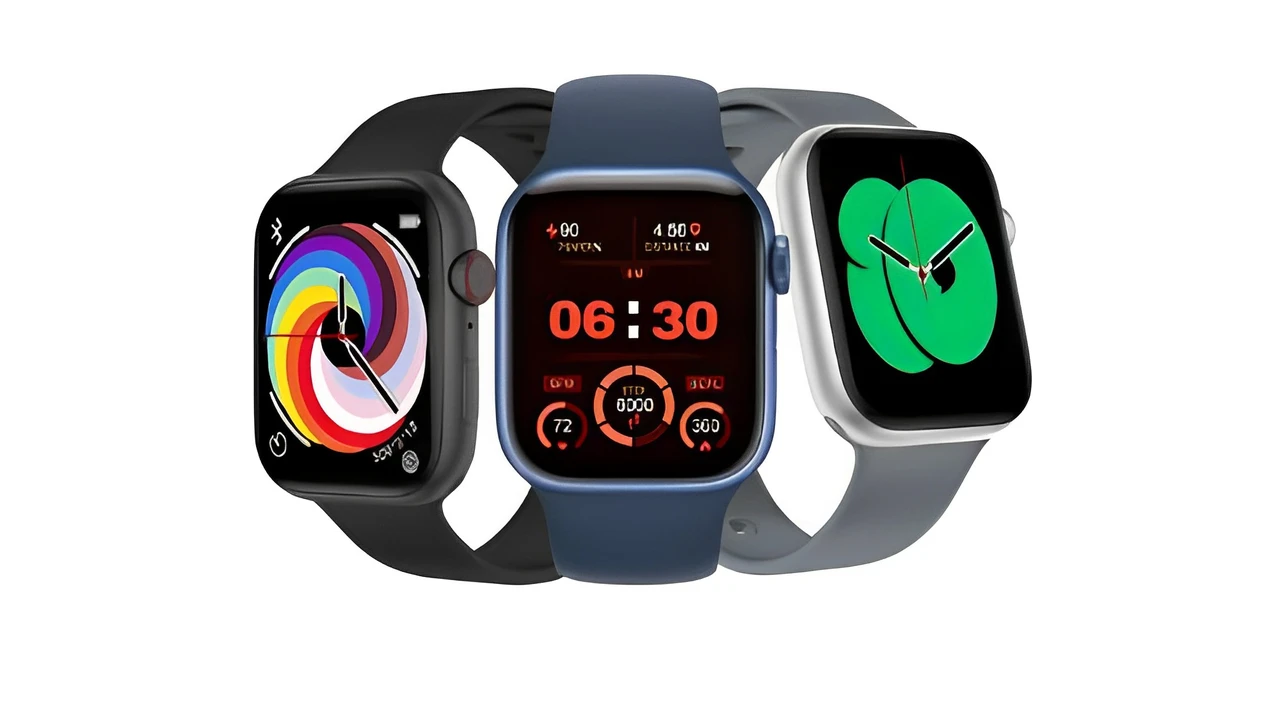
Enhance your wearable tech security with these essential tips. Protect your personal health data and privacy from unauthorized access.
Wearable Tech Security Tips to Protect Your Health Data
Understanding the Importance of Wearable Data Security
Hey there, tech enthusiasts and health-conscious individuals! So, you’ve got your fancy new smartwatch, fitness tracker, or maybe even a smart ring, right? These gadgets are awesome for keeping tabs on your health, tracking your workouts, and generally making life a bit more convenient. But have you ever stopped to think about the treasure trove of personal data they’re collecting? We’re talking heart rate, sleep patterns, location, activity levels, and sometimes even more sensitive stuff like blood oxygen or ECG readings. This isn't just numbers on a screen; it's highly personal, identifiable health information. And just like any other digital data, it needs to be protected. In today's interconnected world, data breaches are unfortunately common, and your health data is particularly valuable to malicious actors. It can be used for identity theft, targeted advertising, or even insurance fraud. So, understanding the risks and taking proactive steps to secure your wearable tech isn't just a good idea; it's absolutely crucial.
Choosing Secure Wearable Devices and Platforms
The first line of defense starts even before you buy. When you're shopping for a new wearable, don't just look at the features and price. Dig a little deeper into the manufacturer's reputation for security and privacy. Big names like Apple, Samsung, Garmin, and Fitbit generally have robust security protocols in place, but it's always good to check. Look for devices that offer end-to-end encryption for your data, both when it's stored on the device and when it's transmitted to the cloud. Also, pay attention to the privacy policies of the associated apps and platforms. Do they clearly state how your data is collected, used, and shared? Are there options for you to control your data? For instance, Apple Health and Google Fit offer centralized dashboards where you can manage permissions for various apps. Devices like the Oura Ring, while collecting very intimate health data, emphasize their commitment to user privacy and data security, often detailing their encryption methods and data handling practices on their websites. Always opt for devices from reputable brands that have a track record of regular security updates and transparent privacy practices. A cheap, no-name fitness tracker might save you a few bucks upfront, but it could cost you a lot more in terms of data security down the line.
Strong Passwords and Multi-Factor Authentication for Wearable Apps
Okay, you've got your device. Now, let's talk about the basics: passwords. This might sound obvious, but it's shocking how many people still use weak, easily guessable passwords for their wearable apps. Your fitness app account is the gateway to all your health data, so treat it like you would your banking app. Use a strong, unique password that combines uppercase and lowercase letters, numbers, and symbols. And please, for the love of all that is secure, don't reuse passwords across different accounts! A password manager can be a lifesaver here, generating and storing complex passwords for you. Even better, enable multi-factor authentication (MFA) or two-factor authentication (2FA) wherever it's available. This adds an extra layer of security, usually requiring a code sent to your phone or email in addition to your password. Most major wearable platforms, like Fitbit, Garmin Connect, and Apple ID (for Apple Watch), offer MFA. For example, if someone tries to log into your Garmin Connect account from an unrecognized device, you'll get a notification and a code will be sent to your registered phone, preventing unauthorized access. It might add an extra step to logging in, but that small inconvenience is a tiny price to pay for safeguarding your sensitive health information.
Regular Software and Firmware Updates for Wearable Devices
Think of software updates as vaccines for your tech. Manufacturers constantly release updates to fix bugs, improve performance, and, crucially, patch security vulnerabilities. Ignoring these updates leaves your device exposed to known exploits that hackers could use to gain access to your data. It's like leaving your front door unlocked after the locksmith told you there was a faulty lock. So, make it a habit to regularly check for and install software and firmware updates for your wearable device and its companion app. Most modern wearables and apps will notify you when an update is available, and some even offer automatic updates. For instance, Apple Watch updates are managed through the iPhone's Watch app, and Fitbit devices often update automatically when connected to Wi-Fi and charging. Garmin devices update via Garmin Connect or Garmin Express. Don't put it off! These updates often contain critical security patches that close potential backdoors for cybercriminals. Staying up-to-date is one of the simplest yet most effective ways to maintain your device's security posture.
Managing App Permissions and Data Sharing Settings
Your wearable device often works in conjunction with various third-party apps – maybe a calorie counter, a meditation app, or a specialized workout tracker. While these apps can enhance your experience, they also represent potential points of vulnerability. When you install a new app, it will often ask for permissions to access certain data from your wearable or phone. Be judicious about what you grant access to. Does that meditation app really need access to your precise location or your entire contact list? Probably not. Only grant permissions that are absolutely necessary for the app to function. Regularly review the app permissions on your phone and within your wearable's companion app settings. You might find that you've granted access to apps you no longer use or to data they don't actually need. For example, on an iPhone, you can go to Settings > Privacy & Security > Health, and then manage which apps have access to specific health data types. Similarly, Android users can manage app permissions through their phone's settings. Be particularly wary of apps that ask for broad access to your health data without a clear justification. Remember, once you share your data with a third-party app, its security practices also come into play, and they might not be as robust as your device manufacturer's.
Public Wi-Fi and Bluetooth Security Considerations for Wearables
We all love free Wi-Fi, right? But public Wi-Fi networks, like those at coffee shops, airports, or hotels, are often unsecured and can be a playground for hackers. When your wearable is connected to your phone, and your phone is on public Wi-Fi, your data could be vulnerable to interception. It's generally best to avoid syncing or transmitting sensitive health data over public Wi-Fi. If you must, consider using a Virtual Private Network (VPN) on your phone to encrypt your internet traffic. A VPN creates a secure, encrypted tunnel for your data, making it much harder for snoopers to intercept. Popular VPN services like NordVPN, ExpressVPN, or Surfshark are good options, often available for around $5-10 per month. Similarly, Bluetooth connections, while convenient, can also be exploited if not properly secured. Ensure your wearable's Bluetooth connection is always paired securely with your phone and that you're not connecting to unknown or suspicious Bluetooth devices. When not in use, it's a good practice to turn off Bluetooth on your phone or wearable, especially in crowded public spaces, to prevent unwanted connections. For example, if you're using a Garmin device, ensure it's only paired with your primary phone and not broadcasting its presence unnecessarily.
Physical Security and Loss Prevention for Wearable Devices
Sometimes, the simplest threats are the most overlooked. What happens if you lose your smartwatch or fitness tracker, or if it gets stolen? Not only have you lost an expensive gadget, but your personal health data could also fall into the wrong hands. Many wearables, especially smartwatches, have some form of on-device security, like a PIN or passcode that activates when the device is removed from your wrist. Make sure you enable this feature! For instance, Apple Watch requires a passcode, and if it's removed from your wrist, it locks automatically. Samsung Galaxy Watches offer similar PIN protection. If your device has GPS capabilities, enable 'Find My Device' features (like Apple's Find My or Google's Find My Device) so you can locate, lock, or even remotely wipe your wearable if it goes missing. This is particularly important for devices that store data directly on them, even if encrypted. While a fitness tracker might not hold as much immediately accessible data as a smartphone, the cumulative data over time can still be revealing. Always be mindful of where you leave your wearable, and if you're traveling, consider keeping it in a secure place when not in use. A lost device is a lost device, but a lost device with unprotected data is a much bigger problem.
Regular Data Backup and Review of Privacy Settings
Even with all the security measures in place, it's wise to have a backup plan. Regularly back up your health data, if your platform allows it, to a secure location. This ensures that even if something goes wrong with your device or account, your valuable health history isn't lost. Many platforms automatically back up your data to their cloud services, but it's good to understand how to access and potentially export that data if needed. For example, you can often export your data from Fitbit or Garmin Connect. Beyond backups, make it a habit to periodically review the privacy settings within your wearable's app and the associated health platforms (like Apple Health or Google Fit). Technology evolves, and so do privacy policies and settings. What was secure yesterday might have new options for enhanced privacy today. Check who has access to your data, what data is being shared, and whether you're comfortable with those settings. You might find that you've inadvertently agreed to share data with a third-party app you no longer use or trust. Being proactive about reviewing these settings ensures your privacy preferences are always up-to-date and aligned with your comfort level.
Specific Product Recommendations and Security Features
Apple Watch Series 9 and Ultra 2 Security Features
Apple is renowned for its strong emphasis on user privacy and security, and the Apple Watch is no exception. The Apple Watch Series 9 (starting around $399) and the more rugged Apple Watch Ultra 2 (starting around $799) come packed with security features. Both require a passcode that activates when the watch is removed from your wrist, preventing unauthorized access to your data. They integrate seamlessly with Apple's 'Find My' network, allowing you to locate, lock, or remotely erase your watch if it's lost or stolen. All health data collected by the Apple Watch is encrypted both on the device and in transit to Apple Health on your iPhone. Apple Health itself offers granular control over which apps can access specific types of health data. For instance, you can allow a running app to access your heart rate but deny it access to your sleep data. The secure enclave within the Apple Watch further protects sensitive data like payment information for Apple Pay. These devices are ideal for users deeply embedded in the Apple ecosystem who prioritize robust, integrated security.
Garmin Forerunner and Fenix Series Data Protection
Garmin devices, particularly the Forerunner series (e.g., Forerunner 265, around $449) and the premium Fenix series (e.g., Fenix 7 Pro, around $799), are popular among athletes and outdoor enthusiasts. Garmin Connect, their companion app and web platform, is where all your activity and health data is stored. Garmin employs encryption for data in transit and at rest on their servers. While Garmin watches don't typically have a passcode that locks when removed from the wrist (unless you enable Garmin Pay, which then requires a PIN), the primary security lies in your Garmin Connect account. Enabling two-factor authentication for your Garmin Connect account is highly recommended. Garmin also allows users to export their data, giving you control over your personal information. For outdoor use, the GPS tracking is excellent, and while it's a privacy concern for some, it's also a safety feature. Users can control privacy settings for their activities, choosing to make them public, private, or visible only to connections. Garmin's focus is on robust data collection for fitness, and their security measures are designed to protect that data within their ecosystem.
Fitbit Sense 2 and Charge 6 Privacy Controls
Fitbit, now part of Google, offers user-friendly fitness trackers and smartwatches like the Fitbit Sense 2 (around $299) and the Fitbit Charge 6 (around $159). Fitbit's approach to security involves encrypting data on their servers and during transmission. The Fitbit app, which is central to their ecosystem, allows users to manage privacy settings for their activities and health metrics. You can control who sees your data, from friends to the public, or keep it entirely private. Fitbit accounts also support two-factor authentication, which is a crucial security layer. While Fitbit devices don't typically have on-device passcodes for general use (only for Fitbit Pay), the security of your account is paramount. Google's broader privacy policies now apply to Fitbit data, which means users can leverage Google's privacy dashboard to review and manage their data. Fitbit devices are great for those looking for comprehensive health tracking with a strong community aspect, and their security features are designed to protect user data within that social and health-tracking environment.
Oura Ring Gen 3 Data Encryption and Privacy
The Oura Ring Gen 3 (starting around $299) is a unique wearable that focuses on sleep, recovery, and readiness. Its discreet form factor means it doesn't have a screen or traditional on-device security like a passcode. Instead, its security relies heavily on the Oura app and your account. Oura emphasizes strong encryption for all data collected by the ring and transmitted to their servers. They also provide clear privacy policies detailing how your data is handled. Users can export their data from the Oura app, giving them control over their information. While there's no 'Find My Ring' feature, the data itself is protected by your Oura account's security, which should be secured with a strong, unique password. The Oura Ring is an excellent choice for individuals who want in-depth health insights without the distraction of a smartwatch, and its security is built around protecting that highly personal biometric data.
The Future of Wearable Security and Your Role
As wearable technology continues to advance, so too will the methods used to secure our data. We're seeing more emphasis on on-device AI processing to reduce the need for constant cloud communication, and new encryption standards are always emerging. However, technology alone isn't enough. Your active participation in securing your data is paramount. Staying informed about potential threats, regularly updating your devices, using strong authentication, and being mindful of what data you share are all critical steps. Think of it as a partnership between you and the device manufacturer. They build the secure infrastructure, but you're responsible for using it wisely. So, keep enjoying your amazing wearable tech, but always keep security at the forefront of your mind. Your health data is yours, and it's worth protecting.
:max_bytes(150000):strip_icc()/277019-baked-pork-chops-with-cream-of-mushroom-soup-DDMFS-beauty-4x3-BG-7505-5762b731cf30447d9cbbbbbf387beafa.jpg)