3 Best Smartwatches for Health Monitoring
Prioritize your health with the top 3 smartwatches offering advanced health monitoring. Track heart rate, sleep, and blood oxygen levels.
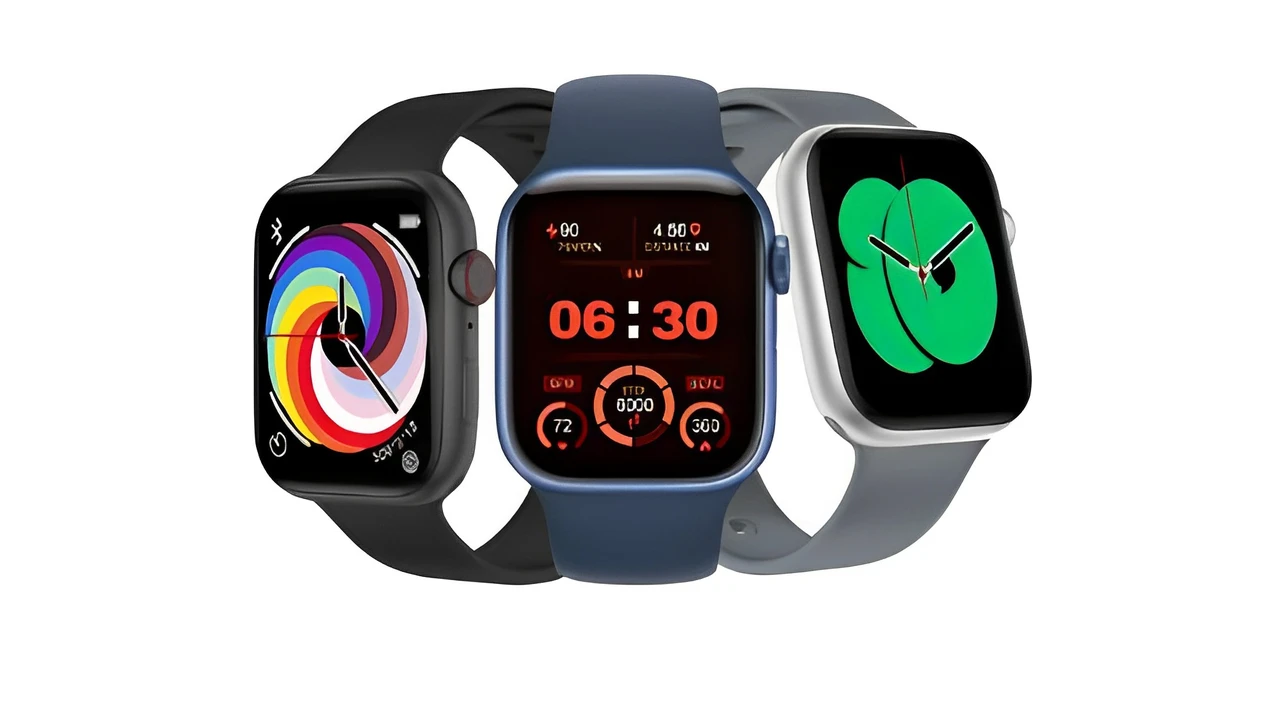
Prioritize your health with the top 3 smartwatches offering advanced health monitoring. Track heart rate, sleep, and blood oxygen levels.
3 Best Smartwatches for Health Monitoring
Hey there, health enthusiasts! In today's fast-paced world, keeping tabs on our well-being has become more crucial than ever. And guess what? Smartwatches aren't just for telling time or checking notifications anymore. They've evolved into powerful health companions, packed with sensors and features designed to give you a comprehensive overview of your physical state. Whether you're a fitness fanatic, someone managing a chronic condition, or just looking to live a healthier life, a good health monitoring smartwatch can be a game-changer. But with so many options out there, how do you pick the right one? Don't sweat it! We've done the heavy lifting for you and narrowed down the top 3 smartwatches that excel in health monitoring, perfect for folks in the US and Southeast Asia.
Why Health Monitoring Smartwatches Matter for Your Well-being
Before we dive into the specifics, let's quickly chat about why these gadgets are so important. Imagine having a tiny doctor on your wrist, constantly checking your vital signs, reminding you to move, and even detecting potential health issues before they become serious. That's essentially what a health monitoring smartwatch offers. From tracking your heart rate during a workout to analyzing your sleep patterns, these devices provide actionable insights that can empower you to make better lifestyle choices. They're not just for athletes; they're for anyone who wants to take a proactive approach to their health. Plus, for those in regions like Southeast Asia where access to immediate medical advice might be challenging, having real-time health data can be incredibly reassuring.
Key Health Features to Look for in a Smartwatch
When you're shopping for a health-focused smartwatch, there are a few non-negotiable features you should keep an eye out for. These are the core functionalities that truly make a difference:
- Heart Rate Monitoring: This is pretty standard now, but accuracy matters. Look for continuous monitoring and the ability to detect unusually high or low heart rates.
- ECG (Electrocardiogram): This feature can detect signs of atrial fibrillation (AFib), a serious heart rhythm disorder. It's a big deal for early detection.
- SpO2 (Blood Oxygen) Tracking: Measures the oxygen saturation in your blood, which can be an indicator of respiratory health and sleep apnea.
- Sleep Tracking: Beyond just telling you how long you slept, good sleep tracking analyzes sleep stages (REM, deep, light) and can offer insights into sleep quality.
- Activity Tracking: Steps, calories burned, distance, active minutes – the basics that keep you moving.
- Stress Monitoring: Some watches use heart rate variability to estimate stress levels and even offer guided breathing exercises.
- Skin Temperature Sensing: Newer models are starting to include this, which can be useful for cycle tracking or early illness detection.
- GPS: Essential for accurately tracking outdoor workouts without needing your phone.
- Fall Detection: A crucial safety feature, especially for older adults, that can alert emergency contacts if a fall is detected.
Now that we know what to look for, let's dive into our top picks!
Our Top 3 Smartwatches for Advanced Health Monitoring
1. Apple Watch Series 9 The All-Round Health Powerhouse
If you're an iPhone user, the Apple Watch Series 9 is almost a no-brainer. It's consistently at the forefront of wearable health technology, offering a comprehensive suite of features that are both accurate and user-friendly. It's particularly popular in the US and increasingly gaining traction in tech-savvy parts of Southeast Asia like Singapore and Malaysia.
Key Health Features and Benefits
- ECG App: Allows you to take an electrocardiogram similar to a single-lead ECG, providing critical data for heart health. It can detect signs of AFib, which is a huge plus.
- Blood Oxygen Sensor: Measures your blood oxygen saturation on demand, giving you insights into your respiratory and overall wellness.
- Temperature Sensing: This feature is primarily used for advanced cycle tracking for women, providing retrospective ovulation estimates. It can also offer insights into overall body temperature trends.
- Advanced Sleep Tracking: Tracks sleep stages (REM, Core, Deep) and provides detailed insights into your sleep quality, helping you understand your rest patterns better.
- Heart Rate Monitoring: Provides continuous heart rate tracking, high and low heart rate notifications, and irregular rhythm notifications.
- Fall Detection and Crash Detection: These are life-saving features. Fall Detection can automatically call emergency services if you take a hard fall and don't respond. Crash Detection does the same in the event of a severe car crash.
- Medication Reminders: Helps you stay on track with your medication schedule.
- Mindfulness App: Offers guided meditations and reflection prompts to help manage stress.
User Experience and Ecosystem
The Apple Watch boasts an incredibly intuitive interface and seamless integration with the Apple ecosystem. All your health data is neatly organized in the Health app on your iPhone, making it easy to track trends and share with your doctor if needed. The App Store offers a vast array of third-party health and fitness apps that can further enhance its capabilities. Its bright, always-on display is a joy to use, and the Digital Crown makes navigation a breeze.
Ideal User Scenario
The Apple Watch Series 9 is perfect for iPhone users who want the most comprehensive and integrated health monitoring experience. It's great for those concerned about heart health, women tracking their cycles, and anyone who values safety features like fall and crash detection. If you're already invested in Apple products, this is likely your best bet.
Pricing and Availability
The Apple Watch Series 9 typically starts around $399 USD for the GPS model and goes up for cellular versions and larger sizes. Prices can vary slightly in Southeast Asian markets due to taxes and import duties, but it's widely available through official Apple stores and authorized resellers.
2. Samsung Galaxy Watch 6 A Strong Contender for Android Users
For Android users, the Samsung Galaxy Watch 6 series (including the Classic model) stands out as a formidable health monitoring device. Samsung has been steadily improving its health features, making it a top choice, especially in markets like the US, South Korea, and increasingly popular across Southeast Asia, including countries like Thailand and Vietnam.
Key Health Features and Benefits
- ECG Sensor: Similar to the Apple Watch, it can record an ECG and detect signs of AFib. This is a crucial feature for proactive heart health management.
- Bioelectrical Impedance Analysis (BIA) Sensor: This unique sensor allows you to measure body composition, including body fat percentage, skeletal muscle mass, body water, and BMI. It's a fantastic tool for fitness tracking and understanding your body beyond just weight.
- Blood Oxygen Tracking: Continuously monitors your SpO2 levels, especially during sleep, to help identify potential issues like sleep apnea.
- Advanced Sleep Coaching: Goes beyond basic sleep tracking by offering personalized sleep coaching programs based on your sleep patterns. It assigns you a 'sleep animal' and provides tips to improve your rest.
- Heart Rate Monitoring: Provides accurate continuous heart rate tracking, with alerts for unusually high or low heart rates.
- Skin Temperature Sensor: Used for advanced cycle tracking and can also provide general temperature insights.
- Fall Detection: Can detect hard falls and send SOS alerts to emergency contacts.
- Customizable Workout Tracking: Supports over 90 different exercises, with automatic workout detection for common activities.
User Experience and Ecosystem
The Galaxy Watch 6 runs on Wear OS Powered by Samsung, offering a smooth and responsive experience. It integrates seamlessly with Samsung Health, which is a robust platform for tracking all your health metrics. The rotating bezel on the Classic model is a fan-favorite for navigation, while the standard Watch 6 offers a sleek, modern design. It also has access to the Google Play Store for a wide range of apps.
Ideal User Scenario
The Samsung Galaxy Watch 6 is ideal for Android users, particularly those with Samsung smartphones, who want a comprehensive health tracker with a focus on body composition analysis and advanced sleep coaching. If you're serious about understanding your body's metrics and improving your sleep, this watch offers some unique advantages.
Pricing and Availability
The Samsung Galaxy Watch 6 starts around $299 USD, with the Classic model being slightly more expensive. It's widely available in the US and across Southeast Asia through Samsung's official channels and major electronics retailers.
3. Garmin Venu 3 The Fitness and Health Hybrid
While Garmin is often associated with serious athletes, their Venu series, particularly the Venu 3, bridges the gap between dedicated sports watches and smartwatches, offering robust health monitoring features in a stylish package. It's a strong choice for those who prioritize detailed fitness metrics alongside general health tracking, popular among active individuals in both the US and Southeast Asia.
Key Health Features and Benefits
- Heart Rate Monitoring: Garmin's Elevate V5 heart rate sensor is highly accurate, providing continuous tracking and alerts for abnormal heart rates.
- Body Battery Energy Monitor: This unique Garmin feature uses heart rate variability, stress, sleep, and activity data to show your current energy levels, helping you understand when to push and when to rest.
- Sleep Coach and Nap Detection: Offers personalized sleep coaching, tracks sleep stages, and even detects naps, providing a comprehensive view of your rest.
- SpO2 (Pulse Ox) Sensor: Monitors blood oxygen saturation throughout the day and during sleep.
- ECG App: The Venu 3 now includes an ECG app for detecting signs of AFib, adding a critical heart health monitoring capability.
- Stress Tracking: Continuously monitors stress levels and offers guided breathing exercises to help you relax.
- Health Snapshot: A two-minute session that records key health stats like heart rate, heart rate variability, SpO2, respiration, and stress, generating a report you can share.
- Wheelchair Mode: A thoughtful addition that tracks pushes instead of steps and offers wheelchair-specific workouts.
- Advanced Fitness Metrics: Beyond basic activity tracking, Garmin excels in providing detailed metrics for a wide range of sports, including VO2 Max, recovery time, and training effect.
User Experience and Ecosystem
The Venu 3 runs on Garmin's proprietary OS, which is known for its efficiency and long battery life. The Garmin Connect app is incredibly powerful, offering a deep dive into all your health and fitness data, with extensive customization options and a strong community aspect. While it doesn't have the same app ecosystem as Apple or Samsung, it excels in its core health and fitness offerings.
Ideal User Scenario
The Garmin Venu 3 is perfect for individuals who are serious about their fitness and want detailed health insights alongside their workout data. If you value long battery life, robust GPS tracking, and a comprehensive health and fitness platform, even if you're not a hardcore athlete, the Venu 3 is an excellent choice. It's also great for those who want to understand their body's energy levels and optimize their rest.
Pricing and Availability
The Garmin Venu 3 is typically priced around $449 USD. It's available through Garmin's official website, major sports retailers, and electronics stores in both the US and various Southeast Asian countries.
Comparing the Top 3 Smartwatches for Health Monitoring
Let's put our top contenders side-by-side to help you make an informed decision:
Feature Comparison Table
| Feature | Apple Watch Series 9 | Samsung Galaxy Watch 6 | Garmin Venu 3 |
|---|---|---|---|
| Compatibility | iPhone only | Android only (best with Samsung) | iOS & Android |
| ECG | Yes | Yes | Yes |
| Blood Oxygen (SpO2) | Yes | Yes | Yes |
| Skin Temperature | Yes (for cycle tracking) | Yes (for cycle tracking) | Yes (for cycle tracking & general trends) |
| Advanced Sleep Tracking | Yes (stages) | Yes (stages & coaching) | Yes (stages & coaching, nap detection) |
| Body Composition (BIA) | No | Yes | No |
| Body Battery / Energy Monitor | No | No | Yes |
| Fall Detection | Yes (with Crash Detection) | Yes | Yes |
| GPS | Yes | Yes | Yes (multi-band) |
| Battery Life (Smartwatch Mode) | Up to 18 hours | Up to 30 hours (AOD off) | Up to 14 days (AOD off) |
| Starting Price (approx.) | $399 USD | $299 USD | $449 USD |
Choosing the Right Smartwatch for Your Health Needs
So, which one should you go for? It really boils down to your existing smartphone ecosystem and what health features you prioritize most:
- For iPhone Users Who Want Everything: The Apple Watch Series 9 is your best bet. It offers the most seamless integration, a vast app ecosystem, and top-tier health and safety features. If you're already in the Apple world, it's a natural fit.
- For Android Users Focused on Body Metrics: The Samsung Galaxy Watch 6 is an excellent choice, especially if you have a Samsung phone. Its BIA sensor for body composition is a unique and valuable tool for fitness and health tracking that the others don't offer. The advanced sleep coaching is also a big plus.
- For Active Individuals Who Value Battery Life and Deep Fitness Insights: The Garmin Venu 3 is a fantastic hybrid. It offers excellent health monitoring, including ECG, but truly shines with its detailed fitness metrics, long battery life, and the insightful Body Battery feature. It's also compatible with both iOS and Android, offering more flexibility.
Real-World Scenarios and User Testimonials
Let's look at how these smartwatches can make a difference in everyday life:
Scenario 1: The Health-Conscious Professional
Meet Sarah, a 35-year-old marketing manager in New York. She's busy, often stressed, and wants to keep an eye on her overall health. She uses an iPhone. The Apple Watch Series 9 is perfect for her. She uses the ECG app for peace of mind, relies on the stress monitoring and mindfulness features to manage her busy schedule, and appreciates the medication reminders. The fall detection gives her family peace of mind, knowing she's covered even when she's alone. She loves how all her data syncs effortlessly to her iPhone's Health app, allowing her to quickly review trends and share them with her doctor during annual check-ups. The seamless integration with her calendar and communication tools also helps her stay organized without constantly pulling out her phone.
Scenario 2: The Fitness Enthusiast in Southeast Asia
John, a 28-year-old software engineer in Singapore, is an avid runner and gym-goer. He uses an Android phone and is keen on understanding his body composition and optimizing his workouts. The Samsung Galaxy Watch 6 is his go-to. He regularly uses the BIA sensor to track his body fat percentage and muscle mass, helping him tailor his diet and training. The advanced sleep coaching has helped him improve his recovery, and he loves the detailed workout tracking for his runs around Marina Bay. The SpO2 monitoring during sleep also gives him insights into his breathing patterns, ensuring he's getting quality rest. Plus, the vibrant display and access to Google Maps on his wrist are super convenient for navigating the city.
Scenario 3: The Outdoor Adventurer
Maria, a 42-year-old freelance photographer in California, loves hiking and exploring national parks. She needs a watch that can keep up with her active lifestyle, offer reliable health data, and last for days without charging. She uses an Android phone but values robust GPS and battery life. The Garmin Venu 3 is her ideal companion. The multi-band GPS ensures accurate tracking of her hikes, even in challenging terrain. The Body Battery feature helps her understand her energy reserves, preventing overtraining and ensuring she's well-rested for her next adventure. She appreciates the detailed sleep tracking and the new ECG feature for monitoring her heart health on the go. The long battery life means she doesn't have to worry about charging it every night, which is crucial when she's off-grid for a few days.
Maximizing Your Smartwatch's Health Potential
Getting a health monitoring smartwatch is just the first step. To truly get the most out of it, here are a few tips:
- Wear it Consistently: For accurate data and trend analysis, wear your watch as much as possible, especially during sleep.
- Understand Your Data: Don't just look at the numbers; try to understand what they mean. Most companion apps provide explanations and insights.
- Set Realistic Goals: Use the data to set achievable fitness and health goals.
- Consult Your Doctor: Remember, these devices are not medical devices and should not replace professional medical advice. Share your data with your doctor for a more informed discussion about your health.
- Keep it Charged: A dead watch can't track anything! Make charging a part of your daily or weekly routine, depending on your watch's battery life.
- Explore Third-Party Apps: Many smartwatches allow you to download additional apps that can enhance specific health or fitness tracking features.
The Future of Wearable Health Technology
The world of health monitoring smartwatches is constantly evolving. We're seeing rapid advancements in sensor technology, with new features like continuous glucose monitoring (CGM) for non-diabetics and more sophisticated blood pressure monitoring potentially on the horizon. AI and machine learning are also playing a bigger role, offering more personalized insights and predictive health analytics. As these devices become even more integrated into our daily lives, they'll continue to empower us to take greater control over our health and well-being. So, whether you're in the bustling cities of the US or the vibrant landscapes of Southeast Asia, investing in a good health monitoring smartwatch is an investment in yourself.
:max_bytes(150000):strip_icc()/277019-baked-pork-chops-with-cream-of-mushroom-soup-DDMFS-beauty-4x3-BG-7505-5762b731cf30447d9cbbbbbf387beafa.jpg)