Garmin vs Fitbit Which Fitness Ecosystem is Better
Decide between Garmin and Fitbit for your fitness tracking needs. Compare features, app ecosystems, and data insights to choose your ideal platform.
Garmin vs Fitbit Which Fitness Ecosystem is Better
Decide between Garmin and Fitbit for your fitness tracking needs. Compare features, app ecosystems, and data insights to choose your ideal platform.
Garmin vs Fitbit Understanding Your Fitness Tracking Needs
So, you're looking to get a fitness tracker, huh? That's a smart move! Whether you're a seasoned athlete, a weekend warrior, or just trying to get a few more steps in each day, a good fitness tracker can be a game-changer. But with so many options out there, how do you pick the right one? Two names consistently pop up at the top of the list: Garmin and Fitbit. Both offer a fantastic range of devices and features, but they cater to slightly different audiences and excel in different areas. This deep dive will help you figure out which ecosystem – Garmin or Fitbit – is the better fit for your personal fitness journey, especially if you're in the US or Southeast Asia where both brands have a strong presence.
We'll break down everything from their core philosophies and device lineups to their app experiences, data insights, and even pricing. By the end of this, you'll have a clear picture of which brand aligns best with your goals, whether that's crushing a marathon, improving your sleep, or simply staying active.
Garmin Ecosystem Deep Dive For Serious Athletes and Outdoor Enthusiasts
Garmin has built its reputation on precision, durability, and advanced metrics, particularly appealing to serious athletes, outdoor adventurers, and anyone who takes their training seriously. Their devices are often packed with GPS capabilities, detailed performance analytics, and robust battery life, making them ideal for long runs, bike rides, hikes, and even triathlons.
Garmin Device Lineup Key Models and Features
Garmin's product range is extensive, covering everything from basic fitness bands to high-end multisport watches. Here are a few standout models:
* Garmin Forerunner Series (e.g., Forerunner 265, Forerunner 965): These are the bread and butter for runners and triathletes. They offer advanced running dynamics, training status, recovery time, and multi-band GPS for incredible accuracy. The Forerunner 265, for instance, typically retails for around $449 USD, offering a vibrant AMOLED display, music storage, and comprehensive training metrics. The Forerunner 965, a step up at about $599 USD, adds even more advanced metrics like training readiness and a larger display, perfect for serious competitors.
* Garmin Fenix Series (e.g., Fenix 7 Pro, Fenix 7X Pro): The Fenix watches are Garmin's premium multisport GPS smartwatches, built for ruggedness and extreme adventures. They feature long battery life (often with solar charging options), topographic maps, ABC sensors (altimeter, barometer, compass), and military-grade durability. The Fenix 7 Pro starts around $799 USD, while the Fenix 7X Pro, with its larger size and even longer battery, can go up to $899 USD or more. These are for the hikers, climbers, and ultra-runners who need a device that can keep up with anything.
* Garmin Venu Series (e.g., Venu 3): While still offering solid fitness tracking, the Venu series leans more towards a smartwatch experience with beautiful AMOLED displays and a focus on health and wellness features. The Venu 3, priced around $449 USD, includes advanced sleep tracking, nap detection, and even a 'Body Battery' energy monitor, making it a great all-rounder for daily wear and moderate exercise.
* Garmin Instinct Series (e.g., Instinct 2 Solar): These watches are known for their extreme durability, long battery life (especially with solar charging), and tactical features. They're less about flashy displays and more about reliable performance in challenging environments. The Instinct 2 Solar, often around $399 USD, is a favorite among outdoor enthusiasts and military personnel.
Garmin Connect App Data Insights and Training Tools
The Garmin Connect app is where all your data comes together, and it's incredibly powerful. It's designed to provide deep insights into your training, recovery, and overall health. Here's what you can expect:
* Detailed Activity Tracking: Beyond just steps and calories, Garmin Connect offers extensive metrics for specific activities. For running, you'll see pace, distance, cadence, stride length, ground contact time, and more. For cycling, power output, speed, and elevation gain are standard. This level of detail is invaluable for performance analysis.
* Training Status and Load: Garmin uses algorithms to analyze your training history and provide insights into whether you're training productively, peaking, or overreaching. This helps prevent injuries and optimize your performance.
* Recovery Advisor: After a strenuous workout, Garmin will recommend a recovery time, helping you understand when your body is ready for the next challenge.
* Body Battery: This unique feature uses heart rate variability to estimate your energy levels throughout the day, helping you manage your energy and avoid burnout.
* Sleep Tracking: While not as granular as some dedicated sleep trackers, Garmin provides insights into sleep stages (light, deep, REM), sleep score, and even blood oxygen saturation during sleep.
* Customizable Workouts and Training Plans: You can create custom workouts or follow adaptive training plans directly from the app, syncing them to your device. This is a huge plus for structured training.
* Community Features: Connect with friends, join challenges, and share your activities within the Garmin Connect community.
Garmin Use Cases Who Benefits Most
Garmin is the go-to choice for:
* Endurance Athletes: Runners, cyclists, swimmers, and triathletes who need precise GPS, advanced performance metrics, and long battery life.
* Outdoor Adventurers: Hikers, climbers, and explorers who require rugged devices with mapping capabilities and ABC sensors.
* Data-Driven Individuals: Anyone who loves to dive deep into their performance data and optimize their training.
* Users Prioritizing Battery Life: Garmin devices consistently offer superior battery life compared to many competitors, especially in GPS mode.
Fitbit Ecosystem Deep Dive For Health and Wellness Focused Users
Fitbit, on the other hand, has carved out its niche by focusing on holistic health and wellness, making fitness tracking accessible and engaging for a broader audience. Their devices are generally more lifestyle-oriented, emphasizing daily activity, sleep, stress management, and overall well-being. Fitbit's strength lies in its user-friendly interface, motivational features, and comprehensive health insights presented in an easy-to-understand format.
Fitbit Device Lineup Popular Models and Health Features
Fitbit offers a range of trackers and smartwatches, often with a sleeker design and a focus on comfort for all-day wear:
* Fitbit Charge Series (e.g., Charge 6): This is Fitbit's flagship fitness tracker, offering a good balance of features in a slim form factor. The Charge 6, typically around $159 USD, includes an ECG app for heart rhythm assessment, EDA sensor for stress management, built-in GPS, and excellent heart rate tracking. It's a fantastic option for general fitness and health monitoring.
* Fitbit Versa Series (e.g., Versa 4): The Versa watches are Fitbit's more smartwatch-like offerings, featuring larger displays, app support, and a focus on daily health. The Versa 4, priced around $199 USD, provides daily readiness scores, sleep profiles, and a wide array of exercise modes, making it a stylish and functional choice for everyday wear.
* Fitbit Sense Series (e.g., Sense 2): The Sense series is Fitbit's most advanced health smartwatch, packed with sensors for comprehensive health monitoring. The Sense 2, usually around $249 USD, includes an ECG app, EDA sensor for stress, skin temperature sensor, and advanced sleep tracking. It's designed for those who want to keep a close eye on their overall well-being.
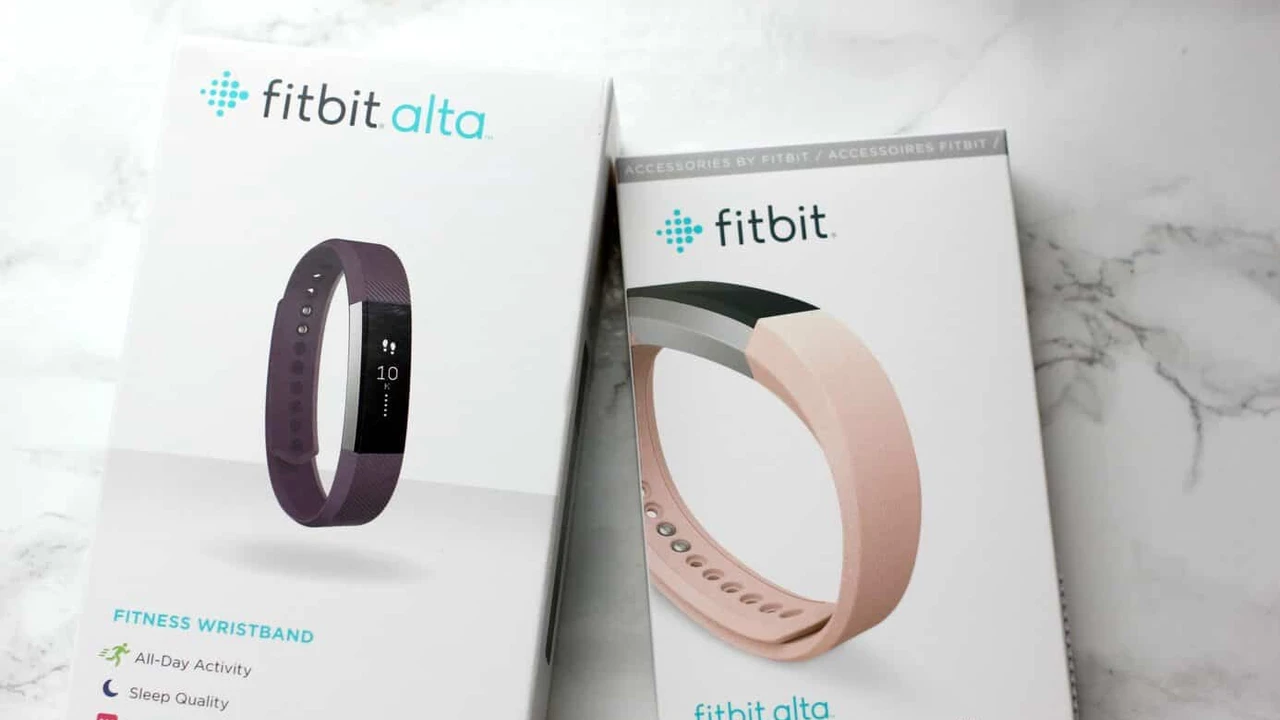
* Fitbit Inspire Series (e.g., Inspire 3): For those looking for a simple, affordable, and discreet fitness tracker, the Inspire series is perfect. The Inspire 3, often around $99 USD, tracks steps, distance, calories, sleep, and heart rate, providing essential data without overwhelming features. It's a great entry point into fitness tracking.
Fitbit App Experience User-Friendly Health Insights and Motivation
The Fitbit app is renowned for its intuitive design and motivational tools. It presents complex health data in an easy-to-digest format, making it accessible to everyone.
* Daily Readiness Score: A premium feature, this score tells you if you're ready for a tough workout or if you should prioritize recovery, based on your activity, sleep, and heart rate variability.
* Sleep Score and Profiles: Fitbit offers excellent sleep tracking, breaking down your sleep into stages and providing a comprehensive sleep score. Premium users also get 'Sleep Profiles' which categorize your sleep patterns and offer personalized insights.
* Stress Management Tools: With devices like the Charge 6 and Sense 2, Fitbit uses EDA (electrodermal activity) sensors to measure your body's response to stress, offering guided breathing exercises and mindfulness sessions.
* Menstrual Health Tracking: A valuable feature for many, allowing users to log periods, track ovulation, and understand their cycle's impact on their health.
* Guided Workouts and Mindfulness Sessions: Fitbit Premium (a subscription service, usually $9.99/month or $79.99/year) offers a vast library of guided workouts, meditation sessions, and nutritional programs.
* Community and Challenges: Fitbit excels at fostering a sense of community, allowing users to connect with friends, participate in challenges, and motivate each other.
* Food and Water Logging: Easily track your caloric intake and hydration directly within the app, helping you manage your diet.
Fitbit Use Cases Who Benefits Most
Fitbit is an excellent choice for:
* General Health and Wellness Enthusiasts: Individuals focused on overall well-being, including daily activity, sleep, stress, and heart health.
* Beginners to Fitness Tracking: Its user-friendly interface and motivational features make it ideal for those new to tracking their health.
* Users Prioritizing Sleep and Stress Management: Fitbit's advanced sleep tracking and stress detection tools are among the best.
* Those Seeking a Holistic View of Health: With features like menstrual health tracking and food logging, Fitbit offers a comprehensive health dashboard.
* Budget-Conscious Buyers: Fitbit offers excellent entry-level options that provide core tracking features at an affordable price.
Garmin vs Fitbit Feature Comparison A Head-to-Head Battle
Let's put them side-by-side on some key features to see where each brand truly shines.
GPS Accuracy and Mapping For Outdoor Navigation
* Garmin: This is Garmin's undisputed strong suit. Many of their devices feature multi-band GPS (like the Forerunner 265/965 and Fenix series), which offers unparalleled accuracy, even in challenging environments like dense cities or deep forests. Their higher-end watches also come with preloaded topographic maps, turn-by-turn navigation, and advanced routing features, making them indispensable for hikers, trail runners, and cyclists. If you rely on precise location tracking for your activities, Garmin is the clear winner.
* Fitbit: While many Fitbit devices (Charge 6, Versa 4, Sense 2) have built-in GPS, their accuracy is generally good but not on par with Garmin's multi-band offerings. They are perfectly adequate for tracking runs or rides in open areas, but they lack the advanced mapping and navigation features that Garmin provides. For casual outdoor activities, Fitbit is fine, but for serious navigation, look to Garmin.
Heart Rate Tracking and Advanced Metrics For Performance and Recovery
* Garmin: Garmin offers highly accurate heart rate tracking, both optical and often with support for external chest straps for even greater precision during intense workouts. Their ecosystem excels in advanced physiological metrics: VO2 Max estimation, lactate threshold, performance condition, training effect (aerobic and anaerobic), and recovery time. These metrics are crucial for athletes looking to optimize their training and understand their body's response to exercise.
* Fitbit: Fitbit's heart rate tracking is generally very good for daily use and moderate exercise. They also provide metrics like resting heart rate and heart rate variability (HRV), which contribute to features like Daily Readiness Score and stress tracking. While they offer some exercise-specific metrics, they don't delve into the same depth of physiological analysis as Garmin, focusing more on overall health trends rather than granular performance optimization.
Battery Life For Extended Use and Adventures
* Garmin: Garmin devices are legendary for their battery life. Even their smartwatches often last for days, and their dedicated fitness watches can go for weeks on a single charge, especially with solar charging models. This is a massive advantage for multi-day adventures or for users who simply don't want to charge their device every night. For example, a Fenix 7X Pro can last up to 37 days in smartwatch mode and 122 hours with GPS, thanks to solar charging.
* Fitbit: Fitbit devices offer decent battery life, typically ranging from 4-7 days for their trackers and 2-6 days for their smartwatches, depending on usage and features enabled (like always-on display or continuous GPS). While good for daily use, they generally can't compete with Garmin's endurance, especially when GPS is heavily utilized.
Smartwatch Features Notifications and Payments
* Garmin: Garmin smartwatches offer standard smartwatch features: notifications from your phone, music storage and control (on many models), contactless payments (Garmin Pay), and access to a limited app store (Connect IQ). They are functional but not as feature-rich or as seamlessly integrated as a dedicated Apple Watch or Samsung Galaxy Watch.
* Fitbit: Fitbit smartwatches (Versa and Sense series) also provide notifications, music control, and contactless payments (Fitbit Pay). They have a more developed app store than Garmin, though still not as extensive as Apple's or Google's. Fitbit's integration with Google (since its acquisition) is bringing more Google services like Google Maps and Google Wallet to its newer smartwatches, enhancing their 'smart' capabilities.
App Ecosystem and User Interface For Data Visualization and Engagement
* Garmin: The Garmin Connect app is powerful and data-rich, but it can feel a bit overwhelming for new users due to the sheer volume of information. It's highly customizable and offers deep dives into every metric imaginable, which is great for serious athletes. The interface is functional and efficient, prioritizing data over aesthetics.
* Fitbit: The Fitbit app is celebrated for its user-friendliness and clean, intuitive interface. It presents health data in an easy-to-understand way, with clear graphs and actionable insights. It's designed to be motivational and engaging for a broad audience, making it very accessible for beginners. The premium subscription unlocks even more personalized insights and guided programs.
Price Point and Value For Money
* Garmin: Garmin devices generally sit at a higher price point, especially their advanced GPS and multisport watches. You're paying for precision, durability, and advanced analytics. While there are more affordable options like the Forerunner 55 (around $199 USD), their flagship models can easily exceed $500-$800 USD. The value comes from the robust feature set and longevity.
* Fitbit: Fitbit offers a wider range of price points, with excellent entry-level trackers starting under $100 USD (Inspire 3). Their smartwatches are also generally more affordable than Garmin's comparable offerings, typically ranging from $150-$300 USD. Fitbit often provides great value for money, especially for those focused on general health and wellness without needing extreme sports-specific features.
Real-World Scenarios Which One to Choose
Let's consider a few common user profiles and see which ecosystem might be the better fit.
The Marathon Runner or Triathlete
* Recommendation: Garmin. Hands down. A Garmin Forerunner (like the 965) or a Fenix series watch is built for this. You'll get incredibly accurate GPS for pacing and distance, advanced running dynamics, detailed training load and recovery metrics, and multi-sport tracking. The long battery life means you won't run out of juice during your longest training sessions or race day. The Garmin Connect app will be your virtual coach, helping you analyze every aspect of your performance.
The Casual Fitness Enthusiast Looking for Daily Motivation
* Recommendation: Fitbit. If your goal is to hit your daily step count, track your sleep, and get gentle nudges to stay active, a Fitbit Charge (like the Charge 6) or a Versa (like the Versa 4) is perfect. The Fitbit app is incredibly user-friendly and motivational, with challenges and a clear dashboard of your daily progress. It's less about intense training data and more about building healthy habits.
The Health-Conscious Individual Focused on Overall Well-being
* Recommendation: Fitbit. For those prioritizing sleep quality, stress management, and general health insights, the Fitbit Sense 2 or Charge 6 are excellent choices. Their EDA sensors for stress, advanced sleep tracking with profiles, and skin temperature monitoring provide a comprehensive view of your well-being. The Fitbit app's health metrics are presented clearly, making it easy to understand and act upon.
The Outdoor Adventurer Hiker or Backpacker
* Recommendation: Garmin. A Garmin Fenix or Instinct series watch is designed for the wilderness. With robust construction, long battery life (especially solar models), topographic maps, ABC sensors, and precise GPS, these devices are reliable companions when you're off the beaten path. They can guide you, track your ascent, and withstand harsh conditions.
The Budget-Minded Buyer Who Wants Core Tracking
* Recommendation: Fitbit. If you're just starting out or don't want to spend a fortune, a Fitbit Inspire 3 or a Charge 6 offers excellent value. You'll get accurate step counting, heart rate monitoring, sleep tracking, and basic exercise tracking without breaking the bank. Garmin has some entry-level options, but Fitbit generally offers more features at lower price points for basic tracking.
Making Your Final Decision Garmin or Fitbit
Ultimately, the choice between Garmin and Fitbit comes down to your personal priorities and how you define 'fitness tracking needs.'
* Choose Garmin if: You're a serious athlete, an outdoor enthusiast, or someone who thrives on detailed performance data and advanced training analytics. You need precise GPS, long battery life, and a device that can withstand rigorous use. You're willing to invest more for these specialized features.
* Choose Fitbit if: You're focused on holistic health and wellness, daily activity tracking, sleep improvement, and stress management. You prefer a user-friendly app experience with motivational features and clear, actionable insights. You're looking for a more affordable and lifestyle-oriented device that seamlessly integrates into your daily routine.
Both brands offer excellent products, but they approach fitness and health from slightly different angles. Consider your primary goals, your budget, and how much detail you want from your data. Try to think about what features you'll actually use every day. Do you need a map on your wrist, or do you just want to know if you're getting enough deep sleep? Once you've got that clear, the decision will become much easier. Happy tracking!
:max_bytes(150000):strip_icc()/277019-baked-pork-chops-with-cream-of-mushroom-soup-DDMFS-beauty-4x3-BG-7505-5762b731cf30447d9cbbbbbf387beafa.jpg)