Comparing the Latest Blood Pressure Monitors
A head-to-head comparison of the best smart blood pressure monitors. Track your readings accurately and share data with your doctor.
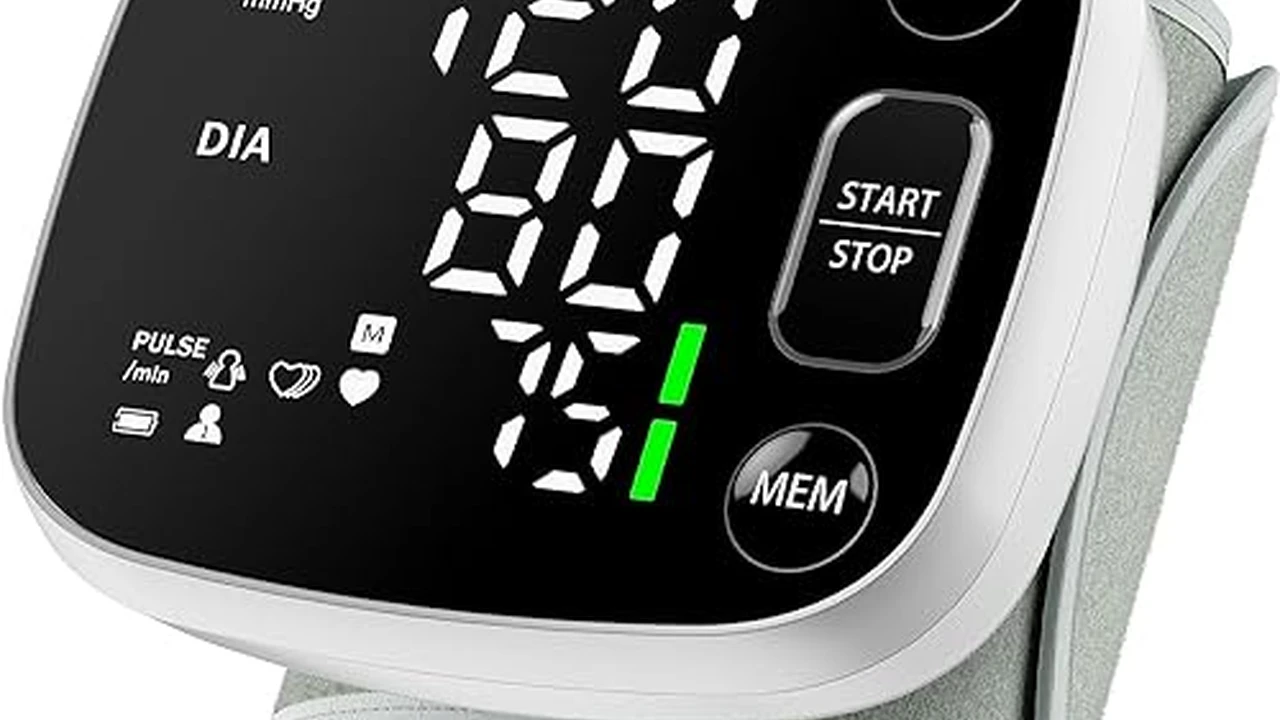
A head-to-head comparison of the best smart blood pressure monitors. Track your readings accurately and share data with your doctor.
Comparing the Latest Blood Pressure Monitors
Why Smart Blood Pressure Monitors Matter for Your Health
Hey there! Let's talk about something super important for your health: blood pressure. It's one of those vital signs that can tell you a lot about what's going on inside your body. High blood pressure, or hypertension, often doesn't have obvious symptoms, which is why it's sometimes called the 'silent killer.' But catching it early and monitoring it regularly can make a huge difference in preventing serious health issues like heart attacks, strokes, and kidney disease. That's where smart blood pressure monitors come into play. They're not just your grandma's old cuff anymore; these gadgets are packed with technology to make tracking your readings easier, more accurate, and way more insightful.
Gone are the days of scribbling down numbers in a little notebook. Smart blood pressure monitors connect to your smartphone or tablet, automatically logging your readings and often providing charts, trends, and even insights into your heart health. This means you and your doctor can get a much clearer picture of your blood pressure patterns over time, helping to tailor treatment plans more effectively. Plus, many of them offer features like irregular heartbeat detection, multiple user profiles, and even reminders to take your readings. It's all about empowering you to take a more active role in managing your health, whether you're in the US or Southeast Asia, where health monitoring is becoming increasingly digital.
Key Features to Look for in Smart Blood Pressure Monitors
When you're diving into the world of smart blood pressure monitors, it can feel a bit overwhelming with all the options out there. But don't sweat it! I'm here to break down the key features you should definitely keep an eye out for. Thinking about these will help you pick the perfect device that fits your lifestyle and health needs.
Accuracy and Clinical Validation for Reliable Readings
First and foremost, accuracy is non-negotiable. What's the point of tracking your blood pressure if the numbers aren't reliable? Look for monitors that have been clinically validated. This means they've been tested against professional standards and proven to give accurate readings. Organizations like the American Medical Association (AMA) or the British and Irish Hypertension Society (BIHS) often provide lists of validated devices. Always check for certifications or mentions of clinical validation on the product's packaging or website. This is your absolute top priority.
Connectivity Options Bluetooth and Wi-Fi Integration
Since we're talking 'smart' monitors, connectivity is a big deal. Most smart monitors use Bluetooth to connect to your smartphone or tablet. This is great for syncing data to an app. Some higher-end models also offer Wi-Fi connectivity, which can be super convenient because it allows your readings to sync automatically to the cloud without needing your phone nearby. This is especially useful if you want family members or your doctor to have immediate access to your data, or if you just prefer a more seamless, hands-off approach to data logging.
User-Friendly App Interface and Data Tracking
A smart monitor is only as good as its app. The companion app should be intuitive and easy to navigate. It should clearly display your readings, show trends over time (think graphs and charts!), and allow you to add notes about your lifestyle, medication, or any symptoms you're experiencing. Look for apps that offer features like:
- Historical Data: Easy access to all your past readings.
- Trend Analysis: Visual graphs to spot patterns and changes.
- Reminders: To take your blood pressure at consistent times.
- Sharing Options: To easily send data to your doctor or family.
- Insights: Some apps even offer personalized insights or educational content based on your readings.
Cuff Size and Comfort for All Users
The cuff is where the magic happens, so its fit and comfort are crucial. A cuff that's too small or too large can lead to inaccurate readings. Most monitors come with a standard cuff, but if you have particularly large or small arms, you might need to look for models that offer different cuff sizes or adjustable cuffs. An uncomfortable cuff can also make you dread taking your readings, which defeats the purpose of regular monitoring. Look for soft, flexible materials and an easy-to-wrap design.
Irregular Heartbeat Detection and Other Health Metrics
Many smart blood pressure monitors can do more than just measure your blood pressure. Some can detect irregular heartbeats (arrhythmias), which can be an early warning sign for conditions like atrial fibrillation. While these features aren't a substitute for a doctor's diagnosis, they can prompt you to seek medical attention when needed. Other advanced features might include pulse rate tracking, or even integration with other health apps and devices to give you a more holistic view of your well-being.
Battery Life and Power Source Convenience
Consider how the device is powered. Most use AA or AAA batteries, while some have rechargeable lithium-ion batteries. Think about how often you want to change batteries or recharge. A good battery life means less hassle. If it's rechargeable, check the charging method (USB-C is always a plus for convenience).
Multiple User Profiles for Family Sharing
If more than one person in your household needs to monitor their blood pressure, a device with multiple user profiles is a lifesaver. This keeps everyone's data separate and organized, preventing any mix-ups in readings or health trends.
Top Smart Blood Pressure Monitors A Detailed Comparison
Alright, now that you know what to look for, let's dive into some of the best smart blood pressure monitors currently on the market. I'll break down their features, pros, cons, and typical price ranges to help you make an informed decision. We'll cover options that are popular in both the US and Southeast Asian markets, keeping in mind different budgets and preferences.
Omron Complete Wireless Upper Arm Blood Pressure Monitor with EKG
Overview: Omron is a household name in blood pressure monitoring, and for good reason. Their devices are known for accuracy and reliability. The Omron Complete takes things up a notch by integrating an EKG (electrocardiogram) feature, making it a powerful tool for comprehensive heart health monitoring. This is a fantastic option for those who want to keep a close eye on both their blood pressure and heart rhythm.
Key Features:
- Dual Functionality: Measures blood pressure and records a single-lead EKG simultaneously.
- Clinically Validated: Highly accurate blood pressure readings.
- Bluetooth Connectivity: Syncs seamlessly with the Omron Connect app.
- Omron Connect App: User-friendly app that tracks readings, provides trends, and allows for easy sharing with your doctor. It also interprets EKG results for potential atrial fibrillation (AFib) detection.
- Cuff Size: Comes with a wide-range D-ring cuff that fits most adult arms (9 to 17 inches).
- Irregular Heartbeat Detection: Alerts you to potential arrhythmias during blood pressure measurement.
- Multiple Users: Supports multiple users within the app, though the device itself doesn't have separate profiles on the unit.
Use Cases: This monitor is ideal for individuals who need to monitor both their blood pressure and heart rhythm, especially those with a history of heart conditions or concerns about AFib. It's perfect for proactive health management and for sharing detailed data with cardiologists.
Pros:
- Exceptional accuracy for both BP and EKG.
- Integrated EKG is a significant advantage for comprehensive heart health.
- Reliable brand with a strong reputation.
- Easy-to-use app with clear data visualization.
Cons:
- Higher price point due to EKG functionality.
- EKG feature requires proper finger placement, which can take a little practice.
Typical Price: Around $150 - $200 USD. Prices may vary slightly in Southeast Asian markets due to import duties and local taxes, but Omron has a strong presence there.
Withings BPM Connect Wi-Fi Smart Blood Pressure Monitor
Overview: Withings is known for its sleek design and seamless integration into a broader health ecosystem. The BPM Connect is a prime example, offering a compact, travel-friendly design with both Wi-Fi and Bluetooth connectivity. It's a fantastic choice for those who value convenience, design, and automatic data syncing.
Key Features:
- Wi-Fi and Bluetooth: Automatically syncs readings to the Health Mate app via Wi-Fi, or via Bluetooth if Wi-Fi isn't available.
- Clinically Validated: Provides highly accurate blood pressure and heart rate measurements.
- Compact Design: All-in-one device with no tubes or wires, making it very portable.
- Health Mate App: A comprehensive app that tracks blood pressure, heart rate, and can integrate with other Withings devices (scales, smartwatches) for a holistic health overview.
- Color-Coded Feedback: Instant feedback on the device's LED screen with color-coded indicators (green, yellow, red) based on WHO guidelines.
- Rechargeable Battery: Long-lasting rechargeable battery (up to 6 months on a single charge).
- Multiple Users: Supports up to 8 users, with data automatically assigned to the correct profile.
Use Cases: Perfect for frequent travelers, tech-savvy individuals, and families who want a stylish, easy-to-use monitor with automatic syncing. It's also great for those already invested in the Withings health ecosystem.
Pros:
- Excellent design and portability.
- Automatic Wi-Fi syncing is incredibly convenient.
- Comprehensive Health Mate app with ecosystem integration.
- Long battery life.
Cons:
- Premium price point.
- Cuff is integrated, so no alternative sizes are available (fits arm circumference 9 to 17 inches).
Typical Price: Around $100 - $130 USD. Withings products are generally available in major electronics retailers in both the US and parts of Southeast Asia.
A&D Medical UA-651BLE Bluetooth Blood Pressure Monitor
Overview: A&D Medical might not have the same brand recognition as Omron or Withings for some, but they are a highly respected manufacturer of medical devices, known for their robust and accurate products. The UA-651BLE is a no-frills, reliable Bluetooth-enabled monitor that focuses on core functionality and accuracy without unnecessary extras. It's a great value option.
Key Features:
- Bluetooth Connectivity: Connects to the A&D Connect app for data logging.
- Clinically Validated: Known for its accuracy and reliability, often used in clinical settings.
- Simple Operation: One-button operation for ease of use.
- A&D Connect App: Tracks readings, allows for trend analysis, and can share data. While not as feature-rich as some competitors, it gets the job done.
- Irregular Heartbeat Indicator: Detects and alerts to irregular heartbeats.
- WHO Classification Indicator: Provides instant classification of your blood pressure readings based on World Health Organization guidelines.
- Memory: Stores up to 30 readings on the device itself, even without syncing.
Use Cases: This monitor is perfect for individuals who prioritize accuracy and simplicity over advanced features or sleek design. It's a solid, reliable choice for everyday monitoring, especially for those on a slightly tighter budget or who prefer a straightforward approach.
Pros:
- Excellent accuracy and clinical validation.
- More affordable than many smart competitors.
- Simple and easy to use.
- Reliable brand in the medical device industry.
Cons:
- App is functional but less polished than Omron or Withings.
- No Wi-Fi connectivity.
- Design is more utilitarian than stylish.
Typical Price: Around $50 - $70 USD. This makes it a very attractive option for budget-conscious consumers in both the US and Southeast Asia, where A&D Medical products are widely available.
KardiaMobile 6L Personal EKG Device (Standalone, often paired with BP monitors)
Overview: While not a blood pressure monitor itself, the KardiaMobile 6L is worth mentioning because it's often paired with smart BP monitors by users who want comprehensive heart health monitoring. It's a small, portable device that records a 6-lead EKG in just 30 seconds, providing highly accurate detection of AFib, Bradycardia, Tachycardia, and normal heart rhythm. It's FDA-cleared and clinically validated.
Key Features:
- 6-Lead EKG: Provides more detailed heart rhythm information than single-lead EKGs.
- Portable: Small enough to fit in your pocket.
- Kardia App: Records, stores, and analyzes EKG readings. Provides instant analysis and allows for easy sharing with your doctor.
- FDA-Cleared: High level of clinical validation.
- Battery Life: Long-lasting coin cell battery.
Use Cases: This is an excellent add-on for anyone who has a smart blood pressure monitor but wants more advanced EKG capabilities than what's typically built into a BP cuff. It's particularly useful for individuals with known heart conditions or those experiencing symptoms like palpitations or dizziness.
Pros:
- Superior EKG accuracy and detail (6-lead).
- Extremely portable.
- Instant analysis and easy sharing.
Cons:
- Does not measure blood pressure.
- Requires a separate purchase and app.
Typical Price: Around $150 - $200 USD. Available globally, including the US and Southeast Asia.
Smart Blood Pressure Monitor Usage Scenarios and Best Practices
Having a smart blood pressure monitor is one thing, but using it effectively is another. Let's talk about some common usage scenarios and best practices to ensure you're getting the most accurate and useful data for your health.
Daily Monitoring for Hypertension Management
If you've been diagnosed with hypertension, daily monitoring is crucial. Your doctor will likely recommend taking your blood pressure at specific times each day, often in the morning and evening. A smart monitor makes this routine much easier. Set reminders in the app, and make sure to take your readings at the same time each day, in a relaxed environment. The automatic logging means you don't have to worry about forgetting to write down a number, and your doctor gets a consistent stream of data to review.
Pre-emptive Health Tracking and Early Detection
Even if you don't have a hypertension diagnosis, regular monitoring can be a great way to stay on top of your health. Think of it as a preventative measure. By tracking your blood pressure over time, you can spot trends that might indicate a problem developing, allowing you to make lifestyle changes or consult your doctor before it becomes a serious issue. This is especially relevant if you have a family history of heart disease or other risk factors.
Sharing Data with Your Healthcare Provider for Better Care
One of the biggest advantages of smart blood pressure monitors is the ease of sharing data. Most apps allow you to export your readings as a PDF or CSV file, which you can then email directly to your doctor. Some even integrate directly with electronic health records (EHR) systems, though this is less common. This eliminates the need for manual transcription and provides your doctor with a comprehensive, accurate record of your blood pressure fluctuations, helping them make more informed decisions about your treatment.
Travel and On-the-Go Monitoring Convenience
For those who travel frequently, a compact smart blood pressure monitor like the Withings BPM Connect is a game-changer. Maintaining your monitoring routine while on the road is essential, and these portable devices make it simple. No need to search for a pharmacy or clinic; you can take your readings in your hotel room and have them automatically synced. This is particularly useful for business travelers or those on extended vacations.
Understanding Your Readings and Lifestyle Impact
The data collected by your smart monitor isn't just for your doctor; it's for you too! Pay attention to the trends. Do your readings spike after a stressful day? Are they lower after a good night's sleep or a workout? By correlating your blood pressure readings with your daily activities, diet, and stress levels, you can gain valuable insights into how your lifestyle impacts your heart health. This knowledge empowers you to make positive changes and take control of your well-being.
Tips for Accurate Blood Pressure Measurement at Home
Even with the best smart monitor, your technique matters! Here are some crucial tips to ensure you're getting the most accurate readings possible at home:
- Relax: Sit quietly for at least 5 minutes before taking your blood pressure. Avoid talking, eating, exercising, or consuming caffeine/alcohol for 30 minutes prior.
- Proper Posture: Sit with your back supported and feet flat on the floor. Don't cross your legs.
- Arm Position: Rest your arm on a flat surface (like a table) so that the cuff is at heart level.
- Cuff Placement: Place the cuff directly on your bare skin, not over clothing. Make sure it's snug but not too tight, with the bottom edge about 1 inch above your elbow.
- Take Multiple Readings: Take two or three readings, one minute apart, and average them. Many smart monitors do this automatically.
- Consistency: Take your blood pressure at the same time each day, ideally in the morning and evening.
- Avoid Stress: Try to be calm and relaxed. Stress can temporarily elevate your blood pressure.
- Don't Self-Diagnose: Home monitoring is for tracking, not for self-diagnosis or changing medication. Always consult your doctor about your readings.
The Future of Smart Health Monitoring Wearable Integration and AI
The world of smart health monitoring is constantly evolving, and blood pressure monitors are no exception. We're already seeing glimpses of the future, and it's pretty exciting!
Seamless Integration with Smartwatches and Wearables
While dedicated blood pressure cuffs are still the gold standard for accuracy, we're seeing more and more smartwatches and wearables attempting to integrate blood pressure monitoring. Devices like the Samsung Galaxy Watch already offer this feature in some regions, though it often requires calibration with a traditional cuff. As technology advances, we can expect these wearable solutions to become more accurate and widely available, offering continuous or on-demand blood pressure readings directly from your wrist. Imagine getting a notification if your blood pressure trends upward throughout the day!
AI-Powered Insights and Predictive Analytics
The vast amount of data collected by smart blood pressure monitors is a goldmine for artificial intelligence. AI algorithms can analyze your readings, identify subtle patterns that might be missed by the human eye, and even offer predictive insights. For example, an AI could potentially alert you to an increased risk of a blood pressure spike based on your historical data and current lifestyle inputs. This could lead to more personalized health advice and proactive interventions, moving beyond just tracking to actually predicting and preventing health issues.
Telemedicine and Remote Patient Monitoring Enhancements
Smart blood pressure monitors are already playing a crucial role in telemedicine and remote patient monitoring. As these healthcare models become more prevalent, especially in regions like Southeast Asia where access to clinics can be challenging, smart monitors will become even more indispensable. Doctors will be able to monitor patients' blood pressure from afar, adjust medication, and provide timely advice without the need for frequent in-person visits. This not only improves patient convenience but also enhances the efficiency of healthcare delivery.
Enhanced User Experience and Gamification
Expect future smart monitors to focus even more on user engagement. This could include more intuitive interfaces, personalized coaching, and even gamification elements to encourage consistent monitoring. Imagine earning 'health points' for maintaining healthy blood pressure or achieving personal goals. Making health tracking more engaging can lead to better adherence and, ultimately, better health outcomes.
So, whether you're looking for a basic, accurate monitor or a feature-packed device with EKG capabilities, there's a smart blood pressure monitor out there for you. Taking control of your blood pressure is a powerful step towards a healthier future, and these gadgets are here to help you every step of the way. Stay healthy!
:max_bytes(150000):strip_icc()/277019-baked-pork-chops-with-cream-of-mushroom-soup-DDMFS-beauty-4x3-BG-7505-5762b731cf30447d9cbbbbbf387beafa.jpg)