Noise Cancelling Headphones Bose QuietComfort vs Sony WH-1000XM5
A detailed comparison of Bose QuietComfort and Sony WH-1000XM5 noise-cancelling headphones. Which offers superior quiet and sound?
A detailed comparison of Bose QuietComfort and Sony WH-1000XM5 noise-cancelling headphones. Which offers superior quiet and sound? If you're in the market for premium noise-cancelling headphones, you've undoubtedly come across two titans: the Bose QuietComfort series and Sony's WH-1000XM line. For years, these brands have battled it out for supremacy, each offering incredible sound quality, comfort, and, most importantly, industry-leading noise cancellation. But when it comes down to the Bose QuietComfort (let's focus on the latest flagship, the QC Ultra, for a direct comparison) and the Sony WH-1000XM5, which one truly reigns supreme for your specific needs, whether you're a frequent flyer, a busy commuter, or just someone seeking peace in a noisy world?
Bose QuietComfort Ultra vs Sony WH-1000XM5 The Ultimate Noise Cancelling Headphone Showdown
Unpacking the Design and Comfort of Premium Noise Cancelling Headphones
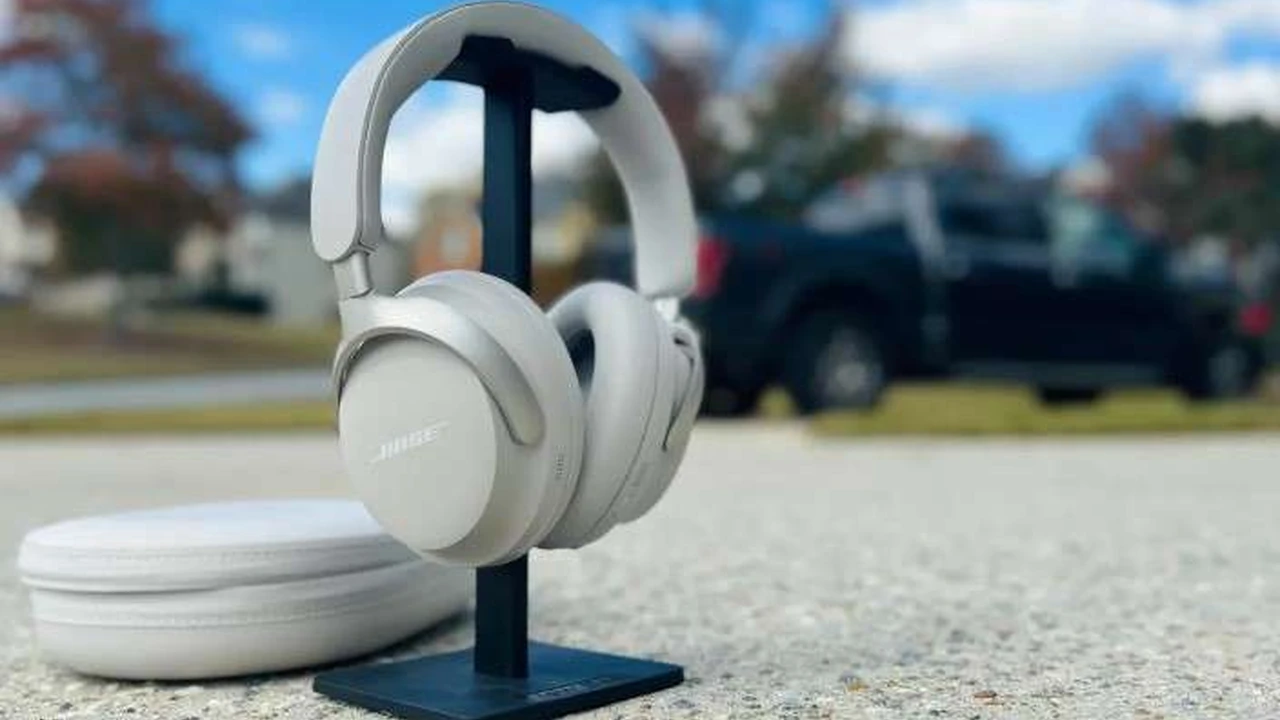
When you're wearing headphones for hours on end, comfort is paramount. Both Bose and Sony have put a lot of thought into the ergonomics of their flagship models. The Bose QuietComfort Ultra continues Bose's legacy of exceptional comfort. They are incredibly lightweight, often feeling like they're barely there. The earcups are plush and spacious, easily accommodating various ear sizes without putting undue pressure. The headband is well-padded and distributes weight evenly, making them ideal for long-haul flights or extended work sessions. Their design is classic Bose – understated, elegant, and built for durability.
On the other hand, the Sony WH-1000XM5 represents a significant design overhaul from its predecessors. Sony opted for a sleeker, more integrated look with a stepless slider and a thinner headband. While still very comfortable, some users find them to have a slightly firmer clamp force than the Bose, especially initially. The earcups are also very soft and comfortable, though perhaps a touch less spacious than the Bose for those with larger ears. The XM5s are also lightweight, but the overall feel is slightly more substantial than the QC Ultra. For those who prioritize absolute feather-light comfort for all-day wear, the Bose QC Ultra might have a slight edge, but both are undeniably comfortable for most users.
Deep Dive into Noise Cancellation Performance Bose vs Sony ANC Technology
This is where the real battle lies. Both Bose and Sony are at the forefront of active noise cancellation (ANC) technology, but they approach it with slightly different philosophies. The Bose QuietComfort Ultra boasts Bose's most advanced noise cancellation to date. It's incredibly effective at silencing a wide range of frequencies, from the low rumble of airplane engines to the chatter of an office. Bose's ANC often feels like it creates a 'cone of silence' around you, making the world melt away. They excel at consistent, broad-spectrum noise reduction, making them a go-to for frequent travelers.
Sony's WH-1000XM5, however, has made significant strides in its ANC capabilities, particularly in the mid-range frequencies. While previous Sony models were already excellent at low-frequency noise, the XM5s now tackle voices and general ambient office noise with remarkable efficiency. They feature multiple microphones and a dedicated V1 processor to achieve this. Some reviewers even suggest that the XM5s now surpass Bose in certain scenarios, especially when it comes to neutralizing human voices. It's a very close call, and personal preference might play a role. If your primary concern is airplane noise, Bose might still feel marginally superior. If you're battling office chatter or city street noise, the XM5s are incredibly impressive.
Both models also offer excellent ambient sound modes, allowing you to hear your surroundings when needed. Sony's 'Speak-to-Chat' feature, which automatically pauses music and lets in ambient sound when you start talking, is a particularly clever and convenient addition.
Audio Quality and Sound Profiles A Head-to-Head Comparison
Noise cancellation is great, but what about the sound itself? Both headphones deliver premium audio experiences, but with distinct sound signatures. The Bose QuietComfort Ultra tends to offer a balanced, natural, and slightly warm sound profile. The bass is present but not overpowering, the mids are clear, and the highs are crisp without being fatiguing. They are designed to be enjoyable for a wide variety of music genres and are often praised for their spacious soundstage. Bose also introduces 'Immersive Audio' with the QC Ultra, which aims to create a more spatial and engaging listening experience, though its effectiveness can be subjective.
Sony's WH-1000XM5, on the other hand, often leans towards a slightly more energetic and bass-forward sound. The bass is punchy and impactful, which many users appreciate, especially for genres like pop, hip-hop, and electronic music. The mids are clear, and the highs are detailed. Sony also supports LDAC, their proprietary high-resolution audio codec, which can deliver a higher quality wireless audio experience if your source device supports it. For those who prefer a more dynamic and bass-rich sound, the XM5s might be more appealing. However, both headphones offer excellent customization options through their respective apps, allowing you to tweak the EQ to your liking.
Battery Life and Connectivity Features for On-the-Go Use
Battery life is crucial for wireless headphones, especially for travelers. The Sony WH-1000XM5 typically offers around 30 hours of battery life with ANC enabled, which is excellent. They also support quick charging, giving you several hours of playback from a short charge. The Bose QuietComfort Ultra offers slightly less, usually around 24 hours with ANC, but still very respectable for most use cases. Both headphones charge via USB-C.
In terms of connectivity, both support Bluetooth 5.3 (QC Ultra) and Bluetooth 5.2 (XM5), offering stable connections. Both also support multipoint connectivity, allowing you to connect to two devices simultaneously and seamlessly switch between them – a highly convenient feature for productivity. The QC Ultra also features Snapdragon Sound for enhanced audio quality with compatible devices.
Smart Features and User Experience App Integration and Controls
Both Bose and Sony offer companion apps that unlock a host of features and customization options. The Bose Music app allows you to adjust ANC levels, customize EQ settings, manage Bluetooth connections, and control the new Immersive Audio feature. The physical controls on the QC Ultra are a mix of buttons and a capacitive strip for volume and track control, which are generally intuitive.
Sony's Headphones Connect app is incredibly robust, offering extensive EQ customization, adaptive sound control (which adjusts ANC based on your environment), DSEE Extreme (for upscaling compressed audio), and the aforementioned Speak-to-Chat. The XM5s rely more heavily on touch controls on the earcups, which are generally responsive but can sometimes be prone to accidental touches. Both apps are well-designed and enhance the overall user experience significantly.
Microphone Quality for Calls and Voice Assistants
In an age of remote work and constant communication, microphone quality is more important than ever. Both headphones offer good microphone performance for calls, but there are subtle differences. The Sony WH-1000XM5 uses multiple beamforming microphones and AI-based noise reduction to isolate your voice, making it very effective in noisy environments. Callers generally report clear voice pickup, even with background noise.
The Bose QuietComfort Ultra also features an advanced microphone system for clear calls. Bose has a strong reputation for call quality, and the QC Ultra lives up to that, often providing a natural and clear voice transmission. In very noisy environments, the XM5s might have a slight edge in isolating your voice, but both are perfectly capable for most calls and video conferences.
Specific Product Recommendations and Use Cases
Let's break down some specific recommendations based on different user profiles and scenarios:
For the Frequent Traveler and Commuter
*
Bose QuietComfort Ultra: These are arguably still the kings of consistent, broad-spectrum noise cancellation, especially for the low-frequency rumble of planes and trains. Their unparalleled comfort also means you can wear them for an entire transatlantic flight without discomfort. The 'cone of silence' effect is truly remarkable.
*
Typical Price: Around $429 USD.
*
Where to Buy: Bose.com, Amazon, Best Buy, major electronics retailers.
*
Why it's great: Best-in-class comfort, consistent and powerful ANC across frequencies, reliable performance.
*
Considerations: Slightly shorter battery life than XM5, sound profile might be too 'neutral' for some bass-lovers.
For the Office Worker and Urban Dweller
*
Sony WH-1000XM5: The XM5s excel at cancelling out mid-range frequencies, which means they are fantastic at reducing office chatter, keyboard clicks, and general city noise. Their adaptive sound control and Speak-to-Chat feature are incredibly useful in these dynamic environments.
*
Typical Price: Around $399 USD.
*
Where to Buy: Sony.com, Amazon, Best Buy, major electronics retailers.
*
Why it's great: Excellent mid-range ANC, robust app features, great call quality, dynamic sound.
*
Considerations: Design might feel slightly less premium than previous XM models to some, touch controls can be finicky for some users.
For the Audiophile on a Budget (or seeking alternatives)
While the QC Ultra and XM5 are top-tier, there are other excellent options if you're looking for slightly different features or a lower price point.
*
Sennheiser Momentum 4 Wireless: These offer fantastic sound quality, often considered more 'audiophile-grade' than Bose or Sony by some. Their ANC is very good, though perhaps not quite at the absolute peak of Bose/Sony. They boast an incredible 60 hours of battery life.
*
Typical Price: Around $349 USD.
*
Where to Buy: Sennheiser.com, Amazon, specialized audio stores.
*
Why it's great: Exceptional battery life, superb sound quality, comfortable.
*
Considerations: ANC is very good but not quite Bose/Sony level, design is a bit more utilitarian.
*
Bose QuietComfort SE (Special Edition): This is essentially a re-release of the older but still excellent QC45, often available at a lower price point. It offers classic Bose comfort and very strong noise cancellation, making it a great value proposition.
*
Typical Price: Around $249 USD.
*
Where to Buy: Bose.com, Amazon, Best Buy, often on sale.
*
Why it's great: Excellent value, classic Bose comfort and ANC, physical buttons.
*
Considerations: Lacks some of the newer features of the QC Ultra (like Immersive Audio), older Bluetooth version.
*
Anker Soundcore Space Q45: For those on a tighter budget, Anker's Soundcore line offers incredible value. The Space Q45 provides very good noise cancellation, decent sound, and excellent battery life for a fraction of the price of the flagships.
*
Typical Price: Around $149 USD.
*
Where to Buy: Amazon, Soundcore.com.
*
Why it's great: Outstanding value, good ANC for the price, long battery life.
*
Considerations: Sound quality and ANC are not on par with Bose/Sony, but still very good for the price.
The Verdict Choosing Your Ideal Noise Cancelling Companion
So, which one should you pick? It really boils down to your priorities. If absolute, feather-light comfort and a consistent, broad-spectrum 'cone of silence' noise cancellation are your top priorities, especially for long periods and travel, the Bose QuietComfort Ultra is likely your best bet. Its classic design and reliable performance make it a perennial favorite.
If you prioritize cutting-edge ANC that excels at mid-range frequencies (like voices), a more dynamic and customizable sound profile, and a feature-rich app experience with clever additions like Speak-to-Chat, the Sony WH-1000XM5 will serve you incredibly well. Its sleek new design and strong call quality also make it a compelling choice for daily use in varied environments.
Ultimately, you can't go wrong with either of these headphones. Both represent the pinnacle of noise-cancelling technology and offer premium listening experiences. If possible, try them both on and listen to your favorite tracks to see which one resonates more with your personal preferences. Happy listening!
:max_bytes(150000):strip_icc()/277019-baked-pork-chops-with-cream-of-mushroom-soup-DDMFS-beauty-4x3-BG-7505-5762b731cf30447d9cbbbbbf387beafa.jpg)