How to Choose the Right Wearable for Your Lifestyle
A comprehensive guide on selecting the perfect wearable device. Consider factors like fitness goals, budget, and smart features.
A comprehensive guide on selecting the perfect wearable device. Consider factors like fitness goals, budget, and smart features.
How to Choose the Right Wearable for Your Lifestyle
Understanding Your Fitness Goals and Activity Levels
So, you're thinking about getting a wearable device? That's awesome! These little gadgets can be super helpful for tracking your health, staying active, and even making your daily life a bit smoother. But with so many options out there, how do you pick the right one? It all starts with figuring out what you want to achieve. Are you a hardcore athlete, a casual walker, or just looking to keep an eye on your general well-being?
If you're an avid runner, cyclist, or swimmer, you'll want a device that offers advanced metrics. Think GPS tracking for distance and pace, heart rate zones for optimizing workouts, and even specialized modes for different sports. For example, a Garmin Forerunner series watch (like the Forerunner 965, typically priced around $599) is a fantastic choice for serious athletes. It offers multi-band GPS, detailed training metrics, recovery insights, and long battery life. The Apple Watch Ultra 2 (starting around $799) is another strong contender, especially for those already in the Apple ecosystem, with its robust GPS, dive computer capabilities, and extreme durability.
On the other hand, if your fitness goals are more about staying active throughout the day, getting enough steps, and maybe tracking some light workouts, a simpler fitness tracker might be perfect. Devices like the Fitbit Charge 6 (around $159) or the Xiaomi Smart Band 8 (often under $50) are excellent for this. They track steps, distance, calories burned, and sleep, and often have basic heart rate monitoring. They're usually more discreet and comfortable for all-day wear, and their battery life tends to be much longer than full-featured smartwatches.
For those who are just starting their fitness journey or primarily interested in general health monitoring, a basic smartwatch or a more advanced fitness band will do the trick. These devices can help you establish healthy habits, remind you to move, and provide a baseline for your activity levels. The key is to match the device's capabilities with your actual needs, so you don't overspend on features you'll never use.
Budget Considerations for Wearable Technology
Let's be real, price matters. Wearable devices can range from under $50 to well over $1000, so setting a budget early on is crucial. You don't need to break the bank to get a great device, but understanding what you get at different price points will help you make an informed decision.
In the entry-level segment (under $100), you'll find basic fitness trackers and some budget smartwatches. These typically offer step counting, sleep tracking, basic heart rate monitoring, and smartphone notifications. Brands like Xiaomi, Huawei, and even some older Fitbit models fit into this category. For instance, the Xiaomi Smart Band 8, as mentioned, is a solid choice for basic tracking and notifications, often retailing for around $40-50. It's great for someone who wants to dip their toes into wearables without a huge commitment.
Moving up to the mid-range (between $100 and $300), you'll start seeing more advanced fitness trackers and capable smartwatches. This is where you'll find devices like the Fitbit Charge 6, Garmin Vivosmart series, and some Samsung Galaxy Watch models (like the Galaxy Watch 4, which can often be found on sale for around $150-200). These devices often include built-in GPS, more accurate heart rate sensors, SpO2 monitoring, and better integration with smartphone apps. They offer a good balance of features and affordability, making them popular choices for many users.
The premium segment (over $300) is where the flagship smartwatches and advanced sports watches reside. This includes devices like the Apple Watch Series 9 (starting around $399), Samsung Galaxy Watch 6 (starting around $299), Garmin Fenix series (often $600+), and the Apple Watch Ultra 2. These devices boast the most comprehensive feature sets: advanced health sensors (ECG, skin temperature, fall detection), robust app ecosystems, cellular connectivity options, premium materials, and often superior battery life or specialized features for extreme sports. If you're looking for the absolute best in terms of technology, design, and functionality, this is where you'll be shopping. However, consider if you truly need all those high-end features before making the investment.
Essential Smart Features and Connectivity Options
Beyond fitness tracking, wearables offer a host of smart features that can genuinely improve your daily life. Think about which of these features are most important to you.
Notifications: Almost all wearables will push notifications from your smartphone to your wrist. This is super convenient for quickly glancing at messages, calls, and app alerts without pulling out your phone. Some smartwatches, like the Apple Watch and Samsung Galaxy Watch, even allow you to respond to messages directly from your wrist, either with quick replies, voice dictation, or a tiny keyboard.
Music Control and Storage: If you love working out to music, consider a device that allows you to control playback from your wrist or even store music directly on the device for phone-free listening with Bluetooth headphones. Many Garmin watches and premium smartwatches offer this. For example, the Garmin Forerunner 265 (around $449) has built-in music storage and Spotify integration.
NFC Payments: Leaving your wallet at home is becoming easier with NFC payment capabilities. Apple Pay, Google Pay, and Samsung Pay are often integrated into smartwatches, allowing you to tap and pay at compatible terminals. This is a huge convenience, especially when you're out for a run or don't want to carry extra cards.
Voice Assistants: Having a voice assistant like Siri, Google Assistant, or Alexa on your wrist can be incredibly handy for setting timers, asking questions, or controlling smart home devices. Most premium smartwatches include this feature.
Cellular Connectivity (LTE): This is a big one for some people. An LTE-enabled smartwatch allows you to make calls, send messages, and stream music even when your phone isn't nearby. This is fantastic for emergencies, going for a run without your phone, or just staying connected when you want to lighten your load. However, it usually comes with an additional monthly subscription fee from your mobile carrier and increases the device's initial cost. The Apple Watch Series 9 (LTE version starts around $499) and Samsung Galaxy Watch 6 (LTE version starts around $349) are popular choices for this.
GPS: For accurate tracking of outdoor activities like running, cycling, or hiking, built-in GPS is a must. While some cheaper trackers rely on your phone's GPS, having it built-in means you can leave your phone behind and still get precise distance and pace data. Most mid-range and premium fitness trackers and smartwatches include this.
Health Monitoring Capabilities and Accuracy
One of the biggest draws of wearables is their ability to monitor various aspects of your health. But not all health features are created equal, and accuracy can vary.
Heart Rate Monitoring: This is a standard feature on almost all modern wearables. It's great for tracking your heart rate during workouts, monitoring resting heart rate, and getting alerts for unusually high or low heart rates. Optical heart rate sensors (the green lights on the back of the watch) are generally good for everyday tracking, but for high-intensity interval training or very precise measurements, a chest strap monitor is still often more accurate.
Sleep Tracking: Most wearables can track your sleep patterns, including sleep stages (light, deep, REM), duration, and disturbances. This data can be incredibly insightful for understanding your rest quality. Devices like the Oura Ring Gen 3 (around $299, plus subscription) are renowned for their advanced and accurate sleep tracking capabilities, offering detailed insights into recovery and readiness.
Blood Oxygen (SpO2) Monitoring: This feature measures the oxygen saturation in your blood. While not a medical device, it can provide an indication of your respiratory health and can be useful for tracking changes, especially at high altitudes or if you have certain health conditions. Many Fitbit, Apple Watch, and Garmin devices include SpO2 sensors.
ECG (Electrocardiogram): Found on premium smartwatches like the Apple Watch Series 9 and Samsung Galaxy Watch 6, an ECG app can record your heart's electrical activity and check for signs of atrial fibrillation (AFib), a serious heart rhythm disorder. This is a significant health feature, but it's important to remember these are not diagnostic tools and should not replace professional medical advice.
Skin Temperature Sensing: Newer wearables, such as the Apple Watch Series 9 and some Fitbit models, include skin temperature sensors. This data can be used for cycle tracking in women and can also provide insights into overall health trends, potentially indicating illness or changes in body state.
Fall Detection and Emergency SOS: These are crucial safety features, especially for older adults or those who engage in risky activities. If a hard fall is detected, the device can automatically call emergency services or designated contacts. The Apple Watch is particularly well-known for its robust fall detection and Emergency SOS features.
When considering health features, always remember that wearables are consumer devices, not medical instruments (unless specifically FDA-cleared for certain functions). They provide valuable insights and can help you be more proactive about your health, but any concerns should always be discussed with a healthcare professional.
Design, Comfort, and Battery Life Expectations
You're going to be wearing this device a lot, so its look and feel are super important. Do you prefer a sleek, minimalist design, or something more rugged and sporty? And how often do you want to charge it?
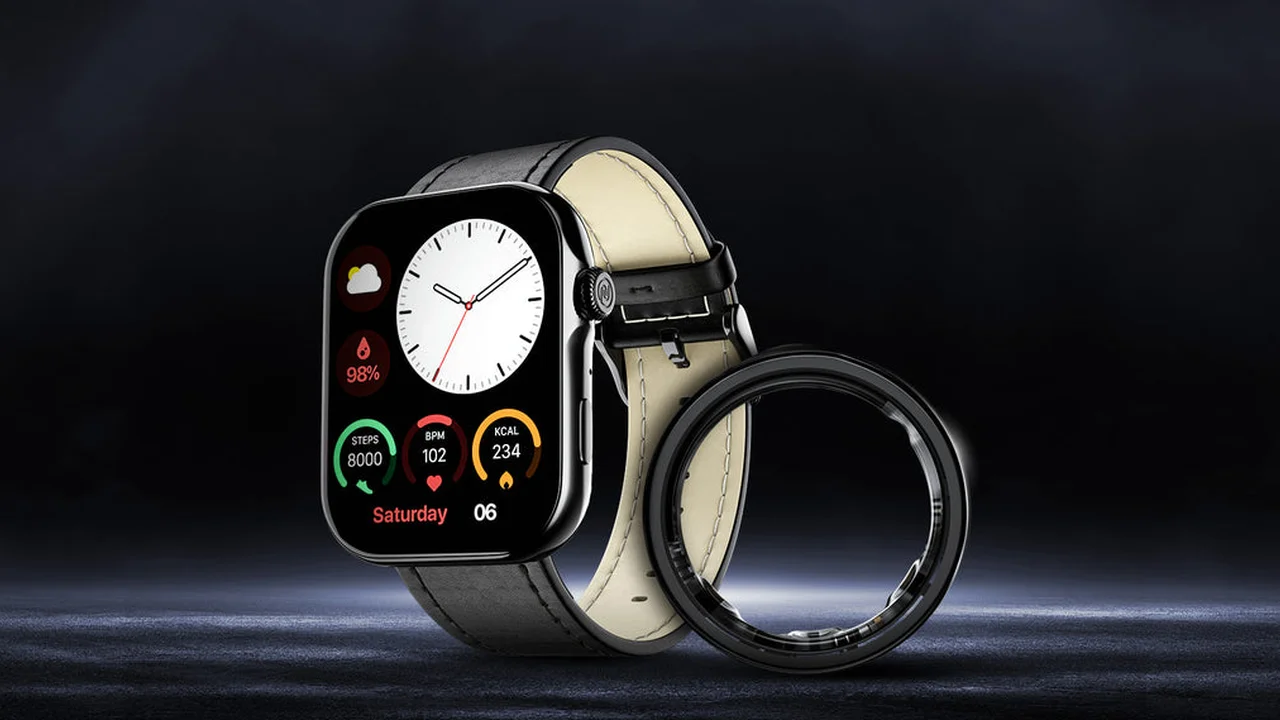
Design and Materials: Smartwatches come in various shapes (round, square) and materials (aluminum, stainless steel, titanium). Fitness trackers are generally more discreet bands. Consider what aesthetic you prefer and what will fit best with your personal style. For example, the Apple Watch has a distinctive square design, while many Samsung Galaxy Watches and Garmin models offer a more traditional round watch face. The Oura Ring, on the other hand, is designed to be almost invisible, blending seamlessly with your jewelry.
Comfort: This is subjective, but crucial. A device that's too bulky, heavy, or causes skin irritation won't be worn consistently. Try on different models if possible. Consider the strap material – silicone is great for workouts, but leather or metal might be preferred for everyday wear. Many wearables offer interchangeable bands, allowing you to customize for different occasions.
Water Resistance: If you plan to swim, shower, or engage in water sports with your wearable, ensure it has adequate water resistance. Look for ratings like 5 ATM (suitable for swimming) or higher. Most modern smartwatches and fitness trackers are water-resistant to some degree, but always check the specifications.
Battery Life: This is a major differentiator. Full-featured smartwatches like the Apple Watch and Samsung Galaxy Watch typically last 1-2 days on a single charge, sometimes less with heavy usage or always-on display. This means daily or every-other-day charging. If you want to track sleep consistently, this can be a bit inconvenient as you'll need to find a charging window during the day.
Fitness trackers and more specialized sports watches often boast much longer battery lives. A Fitbit Charge 6 might last up to 7 days, while some Garmin Fenix models can go for weeks in smartwatch mode and still offer dozens of hours of GPS tracking. The Oura Ring can last up to 7 days. If long battery life is a priority for you, especially for multi-day adventures or simply to avoid frequent charging, lean towards fitness bands or dedicated sports watches.
Ecosystem Compatibility and App Support
Finally, think about how your new wearable will fit into your existing tech ecosystem. Are you an iPhone user, an Android enthusiast, or do you use both?
Smartphone Compatibility: Apple Watches only work with iPhones. Samsung Galaxy Watches work best with Android phones, especially Samsung devices, though they have some compatibility with other Android phones. Many other brands like Garmin, Fitbit, and Xiaomi are generally compatible with both iOS and Android, offering their own dedicated apps for data syncing and device management.
App Ecosystem: Smartwatches, especially Apple Watch and Wear OS (Google's smartwatch platform, used by Samsung and others), have extensive app stores. This means you can download third-party apps for navigation, productivity, fitness, and more directly to your watch. Fitness trackers usually rely on their companion app on your smartphone for all data visualization and settings.
Data Syncing and Integrations: Consider if the wearable's app can sync data with other health and fitness platforms you use, like MyFitnessPal, Strava, or Google Fit/Apple Health. This ensures all your health data is consolidated in one place, giving you a more holistic view of your well-being.
User Interface and Ease of Use: A wearable should be intuitive and easy to navigate. Some interfaces are more complex than others. If you prefer simplicity, a fitness band with a basic screen might be better than a full-blown smartwatch with many menus and apps. Read reviews and watch videos to get a sense of the user experience before committing.
Ultimately, choosing the right wearable is a personal journey. By carefully considering your fitness goals, budget, desired smart features, health monitoring needs, design preferences, and ecosystem compatibility, you'll be well-equipped to find the perfect device that seamlessly integrates into your lifestyle and helps you achieve your health and wellness aspirations.
:max_bytes(150000):strip_icc()/277019-baked-pork-chops-with-cream-of-mushroom-soup-DDMFS-beauty-4x3-BG-7505-5762b731cf30447d9cbbbbbf387beafa.jpg)